

Alcohol poisoning is a serious and potentially life-threatening condition that happens when a person drinks more alcohol than the body can safely process. The body is only able to break down alcohol at a limited speed. When someone drinks large amounts in a short period of time, alcohol begins to build up in the bloodstream, interfering with vital functions such as breathing, heart rate, and body temperature. In severe cases, this can make a person critically ill and may require urgent medical care.
The signs of alcohol poisoning usually appear after heavy drinking and can quickly become alarming. A person may seem confused, struggle to speak clearly, or lose the ability to coordinate simple movements like standing or walking. Nausea and vomiting are common, and control over bodily functions may be lost. The skin may appear pale or take on a bluish tint, which may be easier to notice on the lips, gums, or under the fingernails in people with darker skin tones.
As the condition worsens, breathing may become slow or irregular, and the person may experience seizures or lose consciousness. These symptoms show that the body is being overwhelmed by alcohol and can no longer function normally. Alcohol poisoning affects the brain areas responsible for breathing and awareness, which is why the condition can quickly turn life-threatening.
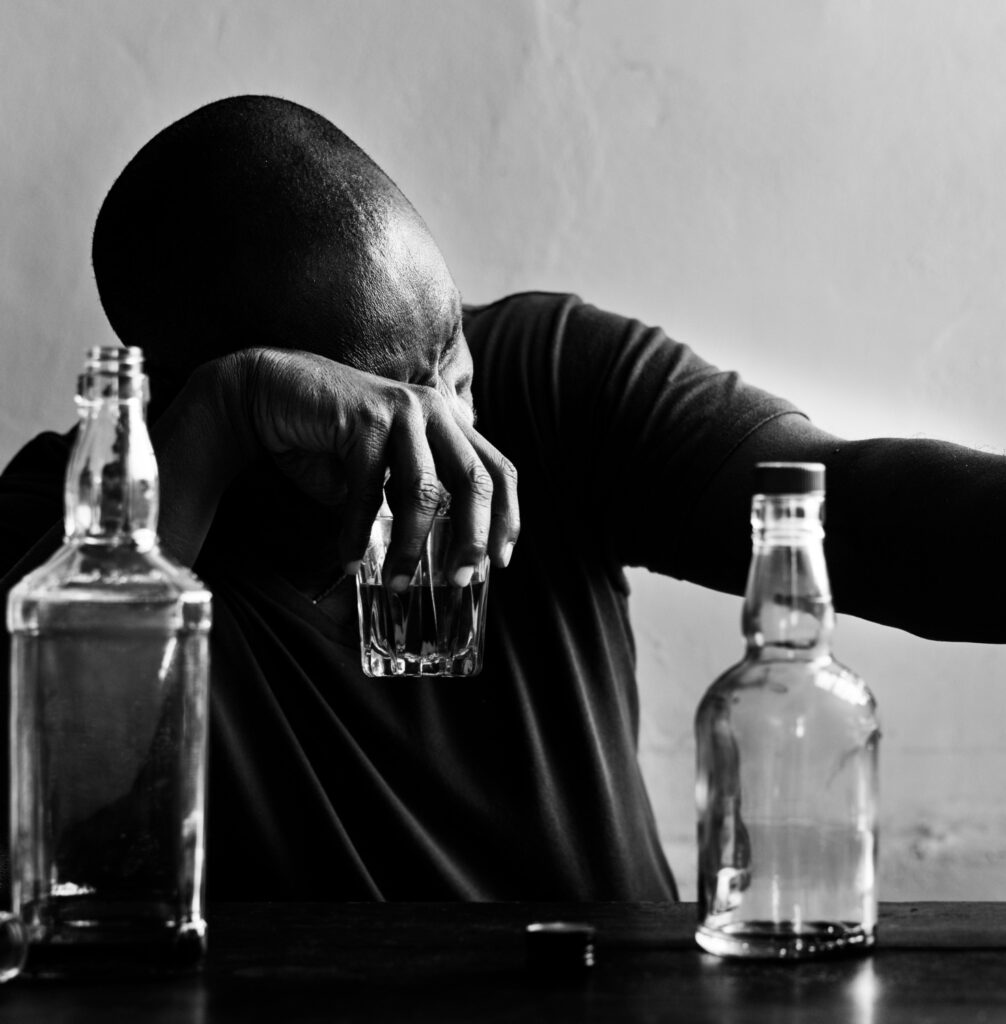
In medical settings, people with alcohol poisoning are closely monitored because alcohol can disrupt many essential processes in the body. Severe cases may lead to dangerous complications involving the heart, liver, or breathing. Treatment focuses on supporting the body while the alcohol is gradually cleared from the bloodstream. This may include providing fluids and monitoring breathing until the effects of alcohol begin to wear off.
Alcohol poisoning is most often linked to binge drinking, which means consuming large amounts of alcohol during a single session. When alcohol is consumed faster than the body can break it down, the concentration in the blood rises to dangerous levels. At this stage, alcohol stops acting as a simple intoxicating drink and instead becomes a toxic substance affecting the brain and other organs.
Not everyone responds to alcohol in the same way. Factors such as body size, health, tolerance, and how quickly alcohol is consumed can influence how the body reacts. Some people may appear less affected after drinking large amounts, while others may experience serious effects much sooner. Because of these differences, the risk of alcohol poisoning can be difficult to predict.
Understanding alcohol poisoning highlights an important truth: alcohol is not harmless when consumed in excess. What may begin as social drinking can quickly become dangerous if large amounts are taken too quickly. Awareness of the signs and seriousness of alcohol poisoning can help people recognize when a situation has moved beyond intoxication and into a medical emergency.