
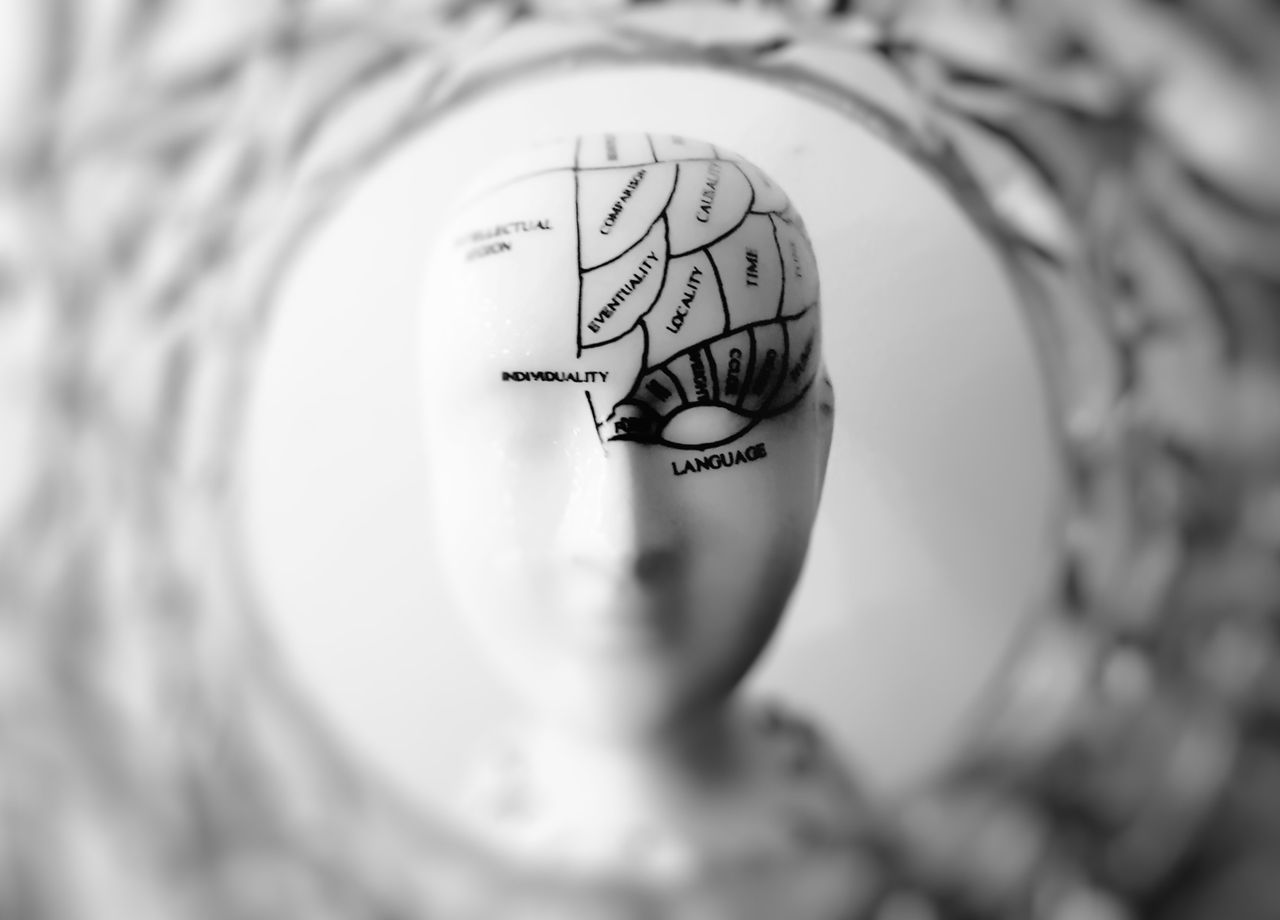
Effects of Stroke: How Brain Damage Can Affect the Body

A stroke occurs when the brain’s blood supply is interrupted or reduced, preventing brain cells from receiving enough oxygen. The resulting damage can affect movement, speech, memory and other essential functions. Understanding the effects of stroke highlights how this condition can change a person’s daily life. The severity of a stroke depends on its location, […]

Read more

Iodized Salt: Health Benefits, Importance and Risks of Iodine Deficiency

Iodized salt is ordinary table salt enriched with small amounts of iodine, an essential mineral that supports several important functions in the body. Although it looks and tastes similar to regular salt, its added iodine helps prevent iodine deficiency, which can affect thyroid function and overall health. Health Benefits of Iodized Salt One of the […]
Read more

Understanding the Impact of Trauma on Mental and Emotional Health

Trauma can have a profound effect on a person’s mental, emotional and physical wellbeing. It may result from a single distressing event, repeated experiences or prolonged exposure to difficult circumstances. Although its effects vary from person to person, understanding the impact of trauma helps explain why people respond differently to challenging experiences. Common Symptoms and […]
Read more

The Importance of Sharing Personal Mental Health Stories

Sharing a personal mental health journey requires courage. Opening up about a deeply personal experience can feel uncomfortable, especially when there is fear of being judged or misunderstood. However, sharing that experience can create meaningful connections, challenge stigma and inspire positive change. Connecting with Others Through Shared Experiences Living with a mental health condition can […]
Read more

Iron Deficiency Anaemia: Diagnosis and Treatment Explained

Iron deficiency anaemia occurs when the body does not have enough iron to produce healthy red blood cells. Understanding how it is diagnosed and treated can help explain what happens when someone experiences symptoms associated with low iron levels. A healthcare professional will typically ask about a person’s medical history, lifestyle and symptoms. A blood […]
Read more

The Importance of Family Planning: Benefits for Women, Families and Communities

Family planning plays an important role in improving women’s health, strengthening families and supporting community development. By providing access to contraception and reproductive health information, it empowers individuals to make informed decisions about pregnancy and their future. Improving Maternal and Child Health Planning and spacing pregnancies can support the health and wellbeing of both mother […]
Read more

How Dangerous is Sepsis?

Sepsis is a serious, potentially life-threatening condition that occurs when the body has an overwhelming response to an infection. Instead of fighting the infection in a controlled way, the immune response can trigger widespread inflammation and begin damaging healthy tissues and organs. So, how dangerous is sepsis? Without prompt medical treatment, sepsis can progress to […]
Read more

Mental Disorders: Understanding Types, Symptoms and Treatment

Mental disorders are health conditions that can affect how a person thinks, feels, behaves, and interacts with others. They are common and can affect everyday life, including relationships, education, work, and other responsibilities. However, having a mental disorder does not define a person, and many conditions can be managed with appropriate professional support. There are […]
Read more

Who Is a Physiotherapist? Understanding Physiotherapy and Its Benefits

A physiotherapist is a healthcare professional who helps people improve movement, manage physical limitations, and regain independence after illness or injury. Physiotherapy can be valuable for people of different ages, particularly those experiencing pain, reduced mobility, balance problems, or difficulty performing everyday activities. A physiotherapist assesses a person’s physical abilities and develops a personalised programme […]
Read more

Obsessive-Compulsive Disorder (OCD): Understanding the Signs and Symptoms

Obsessive-compulsive disorder (OCD) is a mental health condition characterised by recurring unwanted thoughts, fears, or urges known as obsessions. These thoughts can lead a person to repeat certain behaviours or mental routines, known as compulsions. When these patterns become difficult to control, they can interfere with everyday activities and quality of life. OCD often creates […]
Read more

No products in the cart.