

There are three main types of diabetes. Type 1 diabetes occurs when the pancreas produces little or no insulin, making insulin therapy necessary. It often develops during childhood or adolescence.
Type 2 diabetes occurs when the body becomes resistant to insulin or cannot produce enough to regulate blood sugar effectively. It is the most common type and may develop gradually, sometimes without noticeable symptoms.
Gestational diabetes develops during pregnancy when hormonal changes affect insulin function. Although it often resolves after childbirth, it can increase a woman’s risk of developing Type 2 diabetes later in life.
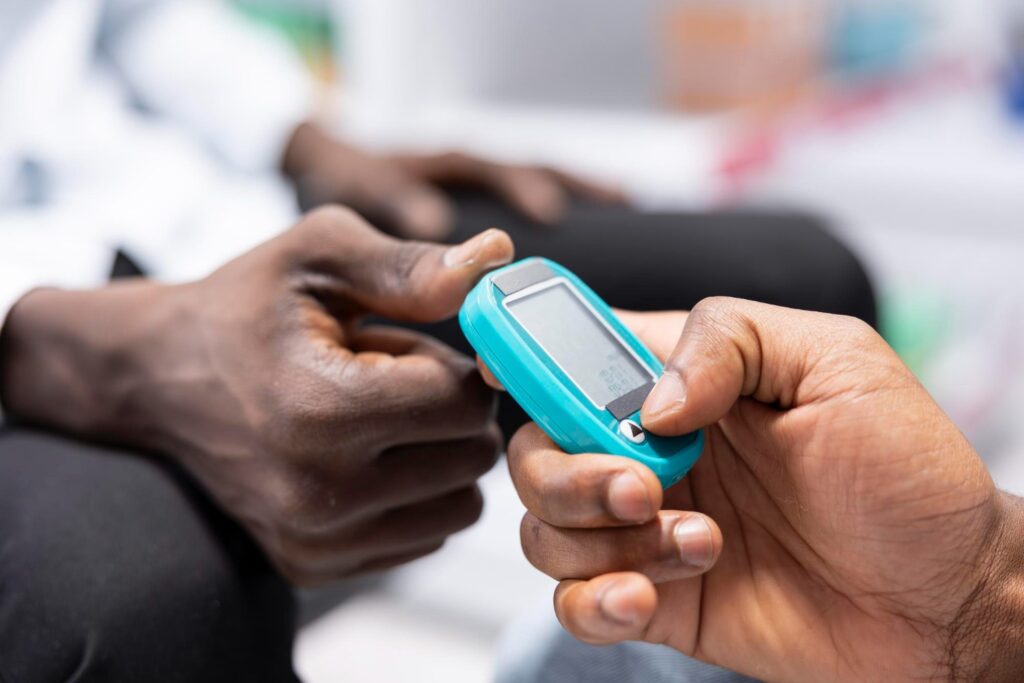
Why Early Diabetes Detection Matters
Undiagnosed or poorly managed diabetes can lead to serious complications, including heart disease, kidney damage, nerve problems and vision loss. Early diagnosis helps identify elevated blood sugar levels and creates an opportunity for effective management.
Managing Diabetes for Better Health
Diabetes management often involves a combination of balanced nutrition, regular physical activity, blood sugar monitoring and prescribed medication where necessary. Individual treatment plans vary depending on the type of diabetes and a person’s overall health.
Ongoing healthcare support and regular assessments also play an important role in monitoring the condition and identifying possible complications. Foot and dental health are particularly important because diabetes can increase the risk of infections and other problems.
Although diabetes requires long-term attention, it does not prevent a person from living a fulfilling life. With early detection, appropriate treatment and consistent support, an individual can manage the condition and protect their long-term health.