
A stroke occurs when the brain’s blood supply is interrupted or reduced, preventing brain cells from receiving enough oxygen. The resulting damage can affect movement, speech, memory and other essential functions. Understanding the effects of stroke highlights how this condition can change a person’s daily life.
The severity of a stroke depends on its location, size and the extent of brain damage. While some people experience temporary difficulties, others develop lasting disabilities. Severe strokes can also be life-threatening.
How Stroke Affects Different Parts of the Brain
Cerebrum: The cerebrum controls movement, sensation, speech, memory, reasoning, vision and emotions. Damage to its right hemisphere may cause weakness or paralysis on the left side of the body, difficulties with spatial awareness and behavioural changes. Damage to the left hemisphere may affect the right side of the body, language, reading, writing and problem-solving abilities. A stroke in either hemisphere can also affect swallowing, self-care and emotional control.
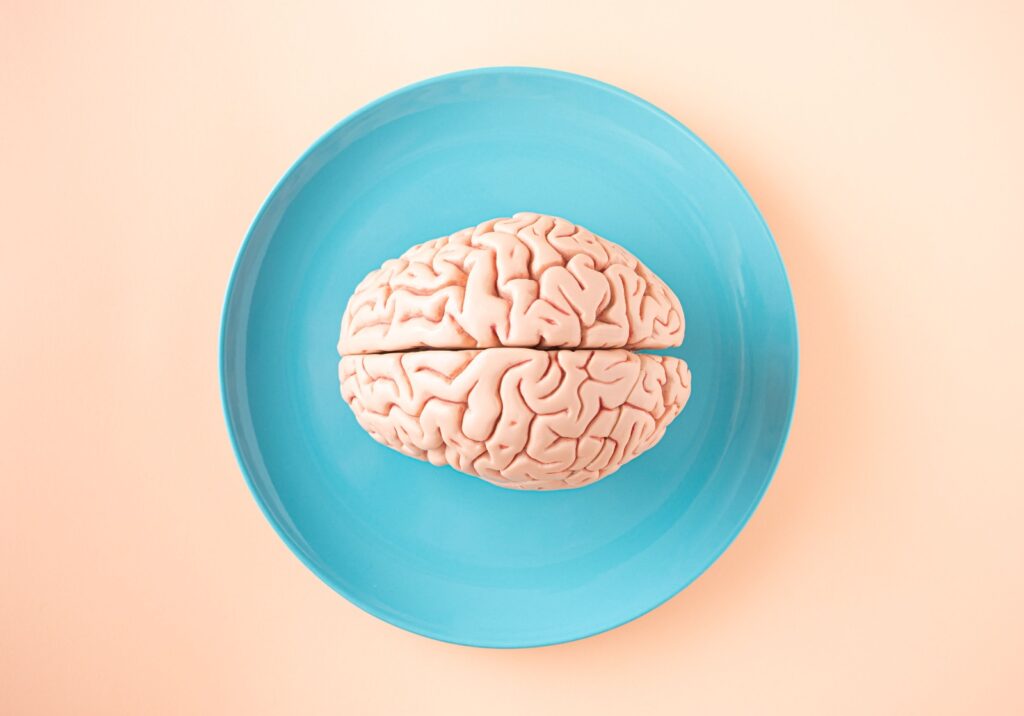
Cerebellum: Located at the back of the brain, the cerebellum helps coordinate movement and maintain balance. A stroke affecting this area may cause dizziness, headaches, nausea, difficulty walking and poor coordination.
Brainstem: The brainstem controls essential functions such as breathing, heart rate and blood pressure. A stroke in this area can cause severe complications, including difficulty swallowing or speaking, weakness, vision changes, impaired coordination and problems with breathing. In severe cases, it can lead to coma or death.
Understanding the Impact of Stroke
The effects of stroke vary widely, depending on which brain functions are affected. Some survivors may need assistance with everyday activities, while others experience changes in communication, thinking or mobility.
Recognising how stroke affects the brain and body helps explain why its consequences can be profound. Greater awareness of stroke symptoms and potential complications is essential to understanding this serious medical condition.