

Understanding the Impact of Trauma on Mental and Emotional Health

Trauma can have a profound effect on a person’s mental, emotional and physical wellbeing. It may result from a single distressing event, repeated experiences or prolonged exposure to difficult circumstances. Although its effects vary from person to person, understanding the impact of trauma helps explain why people respond differently to challenging experiences. Common Symptoms and […]

Read more

The Importance of Sharing Personal Mental Health Stories

Sharing a personal mental health journey requires courage. Opening up about a deeply personal experience can feel uncomfortable, especially when there is fear of being judged or misunderstood. However, sharing that experience can create meaningful connections, challenge stigma and inspire positive change. Connecting with Others Through Shared Experiences Living with a mental health condition can […]
Read more

Iron Deficiency Anaemia: Diagnosis and Treatment Explained

Iron deficiency anaemia occurs when the body does not have enough iron to produce healthy red blood cells. Understanding how it is diagnosed and treated can help explain what happens when someone experiences symptoms associated with low iron levels. A healthcare professional will typically ask about a person’s medical history, lifestyle and symptoms. A blood […]
Read more

The Importance of Family Planning: Benefits for Women, Families and Communities

Family planning plays an important role in improving women’s health, strengthening families and supporting community development. By providing access to contraception and reproductive health information, it empowers individuals to make informed decisions about pregnancy and their future. Improving Maternal and Child Health Planning and spacing pregnancies can support the health and wellbeing of both mother […]
Read more

Mitochondrial Disease: Understanding Its Causes, Symptoms and Effects

Mitochondrial disease is a group of genetic conditions that affect how mitochondria produce energy inside the body’s cells. Often described as the “powerhouses of the cell,” mitochondria convert nutrients and oxygen into energy needed for organs and tissues to function properly. Because mitochondria are found in almost every cell, mitochondrial disease can affect several parts […]
Read more

How Dangerous is Sepsis?

Sepsis is a serious, potentially life-threatening condition that occurs when the body has an overwhelming response to an infection. Instead of fighting the infection in a controlled way, the immune response can trigger widespread inflammation and begin damaging healthy tissues and organs. So, how dangerous is sepsis? Without prompt medical treatment, sepsis can progress to […]
Read more

Atopic Eczema: Understanding the Causes, Symptoms and Management

Atopic eczema, also called atopic dermatitis, is a common skin condition that causes dry, itchy and irritated skin. It can affect people of any age but is particularly common in children. Although there is currently no cure, understanding atopic eczema can help a person manage its symptoms and reduce the impact it has on everyday […]
Read more

Mental Disorders: Understanding Types, Symptoms and Treatment

Mental disorders are health conditions that can affect how a person thinks, feels, behaves, and interacts with others. They are common and can affect everyday life, including relationships, education, work, and other responsibilities. However, having a mental disorder does not define a person, and many conditions can be managed with appropriate professional support. There are […]
Read more

Radiology and Radiography: Understanding Their Importance in Healthcare

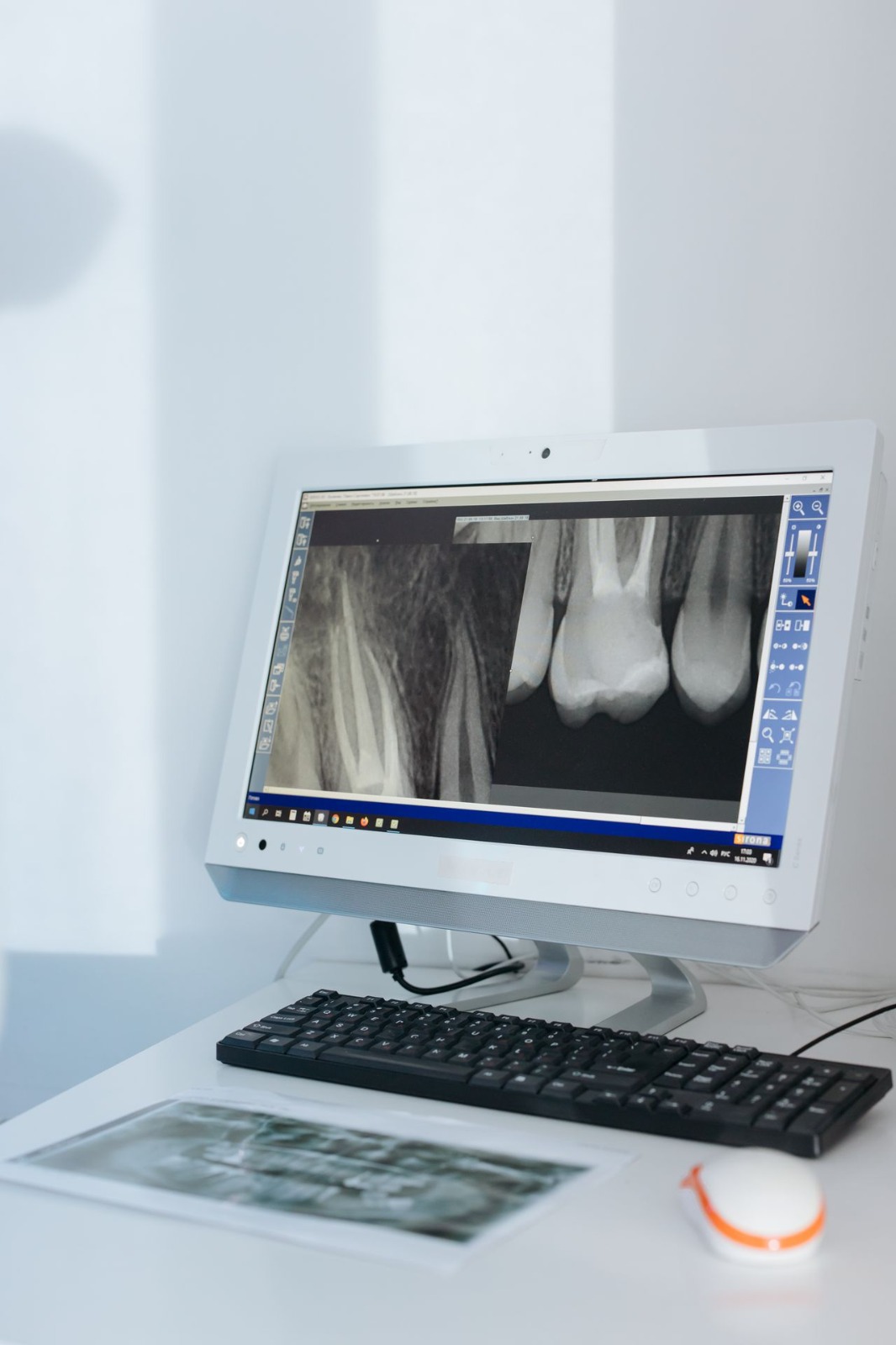
Radiology and radiography play an essential role in modern healthcare by using medical imaging to help detect, diagnose, monitor, and sometimes treat health conditions. Because no single scan can identify every condition, different imaging technologies are used depending on what needs to be examined. A radiographer is trained to operate imaging equipment such as X-ray, […]
Read more

Who Is a Physiotherapist? Understanding Physiotherapy and Its Benefits

A physiotherapist is a healthcare professional who helps people improve movement, manage physical limitations, and regain independence after illness or injury. Physiotherapy can be valuable for people of different ages, particularly those experiencing pain, reduced mobility, balance problems, or difficulty performing everyday activities. A physiotherapist assesses a person’s physical abilities and develops a personalised programme […]
Read more

No products in the cart.