

Trauma can have a profound effect on a person’s mental, emotional and physical wellbeing. It may result from a single distressing event, repeated experiences or prolonged exposure to difficult circumstances. Although its effects vary from person to person, understanding the impact of trauma helps explain why people respond differently to challenging experiences.
Common Symptoms and Reactions to Trauma
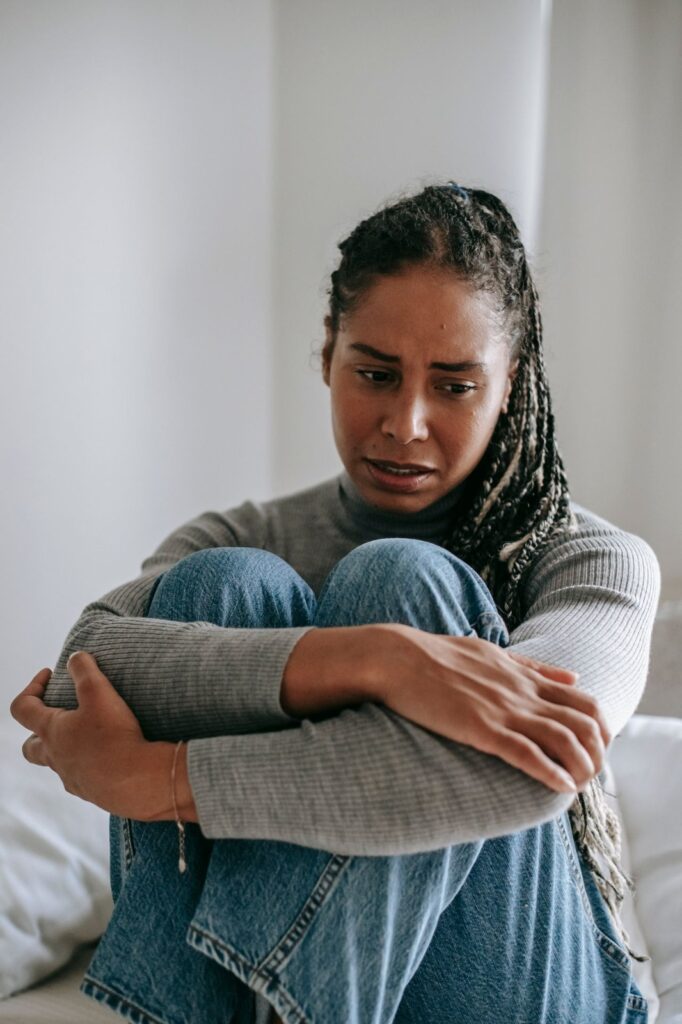
In the aftermath of trauma, a person may experience fear, sadness, anger, confusion, anxiety, emotional numbness or exhaustion. Physical effects can include sleep difficulties and persistent fatigue, while cognitive changes may affect concentration, memory and expectations about the future.
Some individuals may develop a fear that life will not improve or that important milestones, such as relationships, education or career opportunities, are beyond their reach. Others may avoid situations or reminders associated with the traumatic experience.
These reactions do not automatically indicate a mental health disorder. Many trauma survivors demonstrate resilience and gradually regain their sense of stability. However, some experience persistent symptoms that interfere with everyday activities and relationships.
Why Trauma Affects People Differently
The impact of trauma depends on several factors, including the nature of the experience, a person’s age, personal circumstances, cultural background and available support. Previous experiences and individual coping styles can also influence emotional recovery.
While one person may feel comfortable discussing the experience, another may prefer privacy and reflection. There is no single response that applies to every trauma survivor.
Understanding Trauma and Recovery
Trauma can sometimes contribute to conditions such as post-traumatic stress disorder (PTSD), anxiety and depression. Emotional numbness may also make it difficult for a person to recognise or express distress.
Understanding these responses is essential to reducing stigma and recognising the complexity of traumatic experiences. With appropriate support, many people can rebuild their confidence, strengthen their relationships and regain a sense of control over their lives.