
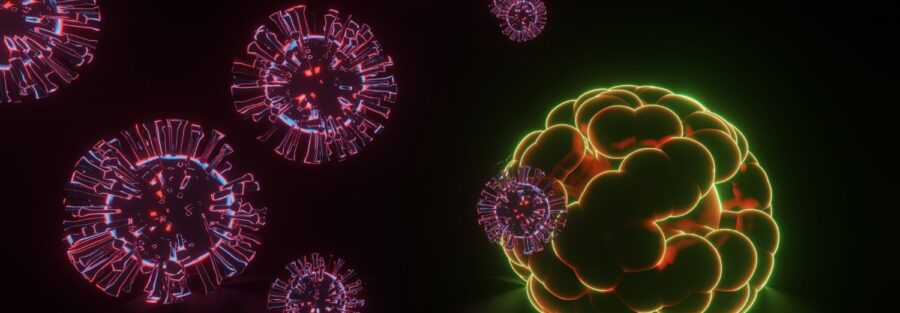
Sepsis is a serious, potentially life-threatening condition that occurs when the body has an overwhelming response to an infection. Instead of fighting the infection in a controlled way, the immune response can trigger widespread inflammation and begin damaging healthy tissues and organs.
So, how dangerous is sepsis? Without prompt medical treatment, sepsis can progress to septic shock, organ failure and death. Its severity can vary depending on factors such as the type of infection, how quickly it progresses and the number of organs affected. This makes sepsis a medical emergency that requires immediate professional care.
Sepsis can develop from bacterial, viral, fungal or parasitic infections. These infections may begin in areas such as the lungs, urinary system, digestive system, brain, spinal cord or skin before triggering the body-wide response associated with sepsis.
Common sepsis symptoms include fever or unusually low body temperature, chills, rapid breathing, fast heart rate, low blood pressure, confusion, extreme weakness, reduced urination and significant pain or discomfort. Some people may also experience warm or clammy skin or changes in skin colour.
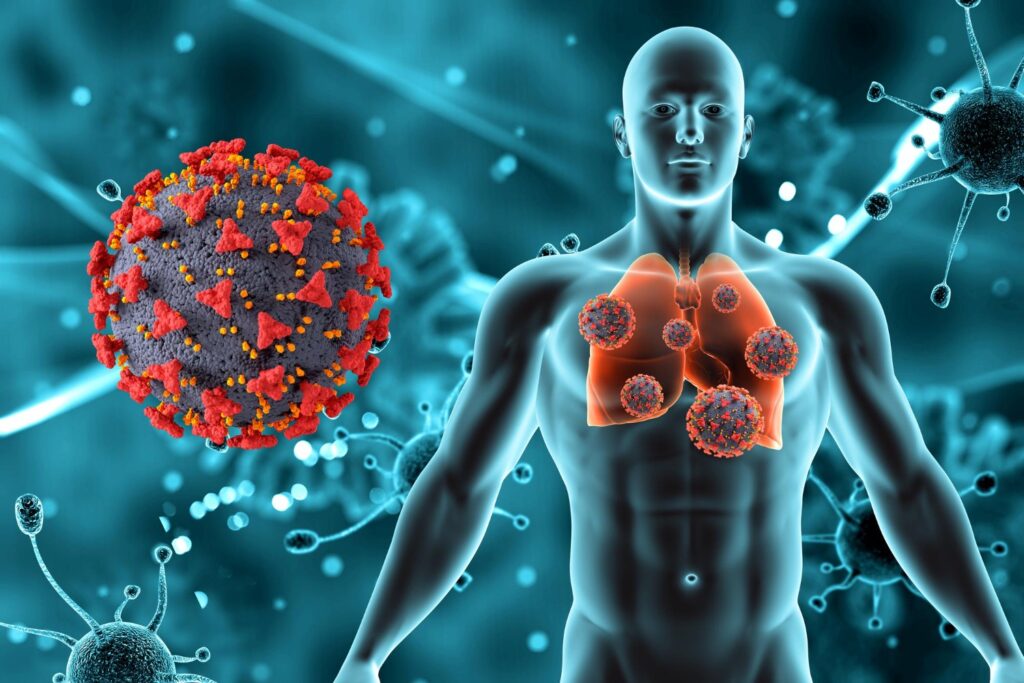
Certain groups have a higher risk of developing sepsis, including older adults, newborns and infants, pregnant people, individuals with weakened immune systems and those with certain underlying health conditions. Severe injuries and the use of medical devices such as catheters can also increase risk.
Although sepsis is dangerous, early recognition and treatment can significantly influence its outcome. Survivors may experience prolonged physical or emotional effects, sometimes known as post-sepsis syndrome, including fatigue, weakness, difficulty concentrating, anxiety and sleep problems.
Understanding the dangers of sepsis highlights why this condition deserves serious attention. Recognising its symptoms and severity can help improve awareness of this potentially life-threatening response to infection.