
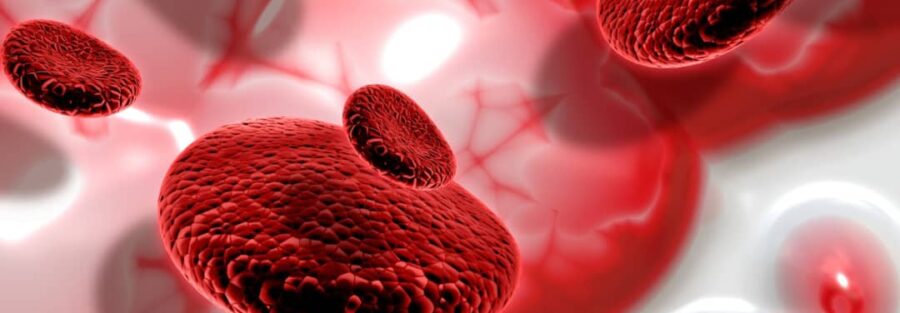
Iron deficiency anaemia occurs when the body does not have enough iron to produce healthy red blood cells. Understanding how it is diagnosed and treated can help explain what happens when someone experiences symptoms associated with low iron levels.
A healthcare professional will typically ask about a person’s medical history, lifestyle and symptoms. A blood test called a full blood count (FBC) can help determine whether the number of red blood cells is within the expected range. The test can also identify other types of anaemia, including anaemia linked to vitamin B12 or folate deficiency.
When the cause of iron deficiency anaemia is unclear, additional investigations may be considered. These can help identify potential sources of blood loss or other underlying causes. In some cases, a stool sample may be examined for traces of blood, or a person may be referred to a specialist for further assessment.
Treatment for iron deficiency anaemia generally focuses on addressing the underlying cause and restoring iron levels. Iron tablets are commonly used when blood tests show low iron or red blood cell levels. Treatment may continue for several months while the body’s iron stores are replenished.
Some people experience side effects from iron tablets, including constipation, diarrhoea, stomach discomfort, heartburn, nausea or darker stools. These effects can vary between individuals.
Follow-up blood tests may also be used to monitor changes in blood and iron levels during treatment.
Recognising the signs of iron deficiency anaemia and understanding the diagnostic process highlights the importance of identifying its underlying cause. With appropriate treatment and monitoring, iron levels and red blood cell production can return towards normal.