

Mental disorders are health conditions that can affect how a person thinks, feels, behaves, and interacts with others. They are common and can affect everyday life, including relationships, education, work, and other responsibilities. However, having a mental disorder does not define a person, and many conditions can be managed with appropriate professional support.
There are many types of mental disorders, including anxiety disorders, mood disorders such as depression and bipolar disorder, neurodevelopmental conditions such as ADHD and autism, eating disorders, personality disorders, psychotic disorders such as schizophrenia, and substance use disorders.
Mental disorder symptoms vary depending on the condition. A person may experience persistent worry, significant mood changes, difficulty sleeping, loss of interest in usual activities, changes in appetite, unusual thoughts, difficulty concentrating, or challenges with everyday functioning. Experiencing some of these signs does not automatically mean that a person has a mental disorder, as diagnosis requires professional assessment.
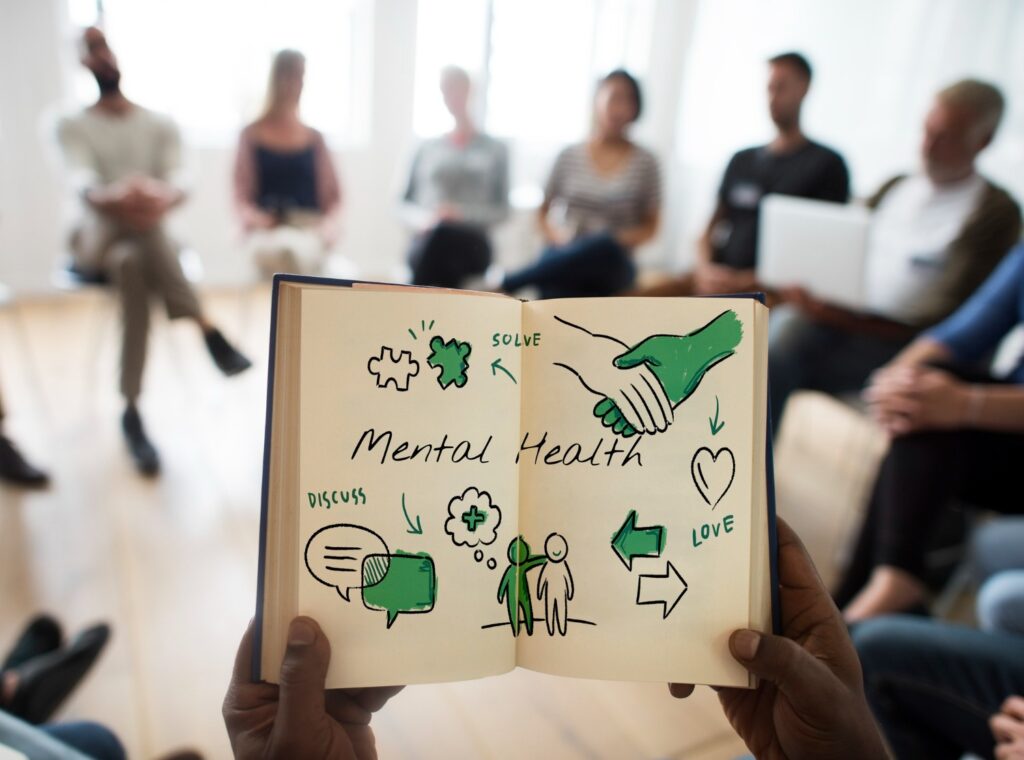
Mental health conditions can develop through a combination of factors, including genetics, brain function, life experiences, stress, environmental influences, and certain physical health conditions. Having a risk factor does not necessarily mean that a person will develop a disorder.
Diagnosis usually involves discussing symptoms, personal and medical history, thoughts, feelings, and behaviours with a qualified healthcare professional. There is no single medical test that can diagnose every mental disorder, although other tests may sometimes be used to rule out physical conditions.
Treatment for mental disorders varies according to the condition and individual needs. It may involve psychotherapy, medication, supportive services, or a combination of approaches. With appropriate care and ongoing support, many people can manage their symptoms, improve their wellbeing, and lead fulfilling lives.
Recognising the signs of mental disorders is an important step towards understanding mental health and reducing the stigma surrounding it.