

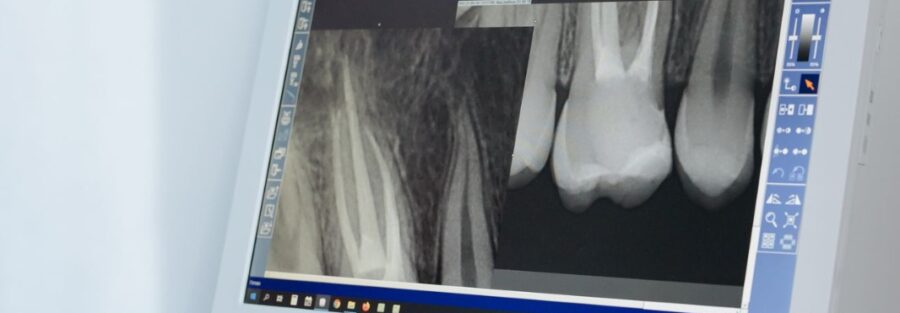
Radiology and radiography play an essential role in modern healthcare by using medical imaging to help detect, diagnose, monitor, and sometimes treat health conditions. Because no single scan can identify every condition, different imaging technologies are used depending on what needs to be examined.
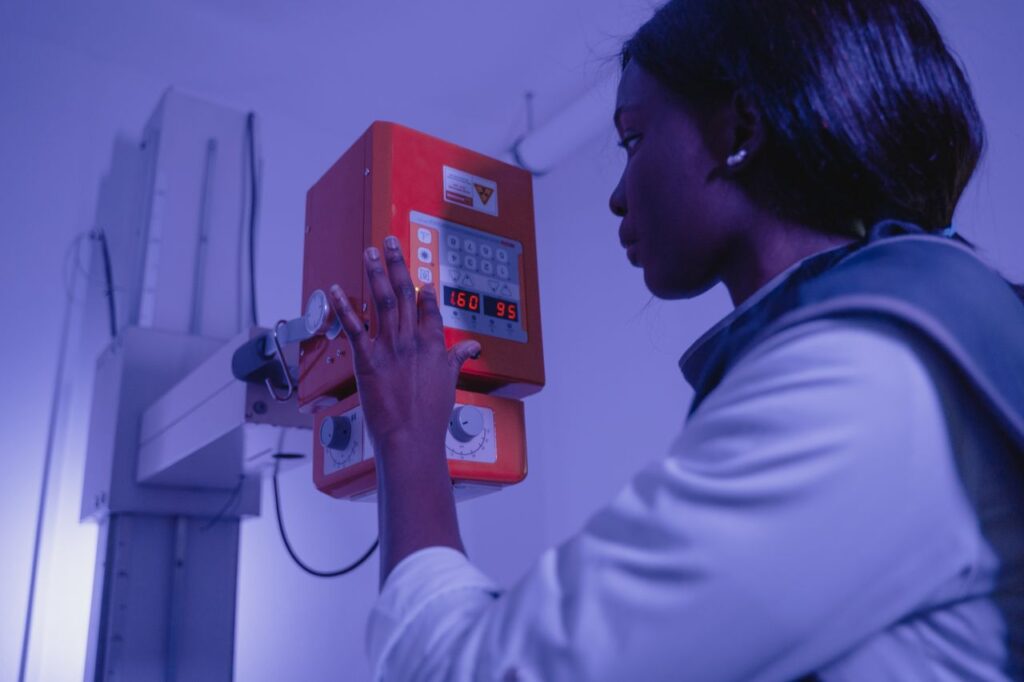
A radiographer is trained to operate imaging equipment such as X-ray, CT, MRI, and ultrasound machines. They capture high-quality images while helping patients feel comfortable and ensuring that the imaging process is carried out safely.
A radiologist, on the other hand, is a medical specialist who interprets medical images. By carefully examining scans, a radiologist can identify abnormalities and provide information that helps other healthcare professionals understand a patient’s condition and plan appropriate care.
Radiology includes several areas. Diagnostic radiology uses imaging to investigate symptoms, screen for certain conditions, and monitor changes over time. Interventional radiology uses imaging to guide certain minimally invasive procedures, while therapeutic radiology uses radiation as part of treatment for conditions such as cancer.
The importance of radiology extends beyond diagnosis. Medical imaging can support early disease detection, guide treatment, monitor whether treatment is working, and provide valuable information for medical research. It can also help healthcare professionals make more informed decisions by showing what is happening inside the body.
As imaging technology continues to advance, radiology remains an important part of modern medicine. Combining sophisticated technology with the expertise of radiographers and radiologists allows healthcare professionals to obtain clearer information, track changes more accurately, and provide more informed care.
For patients, understanding the role of radiology can make medical imaging less intimidating while highlighting its value in maintaining and improving health.