
Angelman syndrome is a rare genetic condition affecting the brain and nervous system. It leads to significant movement, communication, and learning challenges. Though the condition lasts a lifetime, individuals with Angelman syndrome can live close to a normal life expectancy. However, they will always need care and support to manage their daily lives.
Signs of the condition usually begin to show between 6 and 12 months of age. A child may struggle to sit without help or may not begin to babble like other children their age. As they grow, speech may remain extremely limited, often to just a few words. Even so, many children with Angelman syndrome learn to communicate in other ways, such as through gestures or assistive communication tools.
Movement is often affected. A child might find it hard to walk due to poor balance and coordination. Their arms may tremble, their legs might appear stiff, and overall movements can be jerky.
There are also several behavioral traits commonly seen in individuals with this condition. These include:
- Frequent, often spontaneous laughter or smiling
- Excitability, especially with hand-flapping
- Hyperactivity and a short attention span
- Trouble sleeping, with less sleep needed than usual
- A strong interest in water
By the age of 2, physical traits such as a small, flat-back head may appear. Seizures are also common at this stage. Other signs may include crossed eyes, a tendency to stick out the tongue, fairer skin or hair than family members, a curved spine, or a wide mouth with spaced teeth. Babies may also face feeding difficulties and need special feeding support.
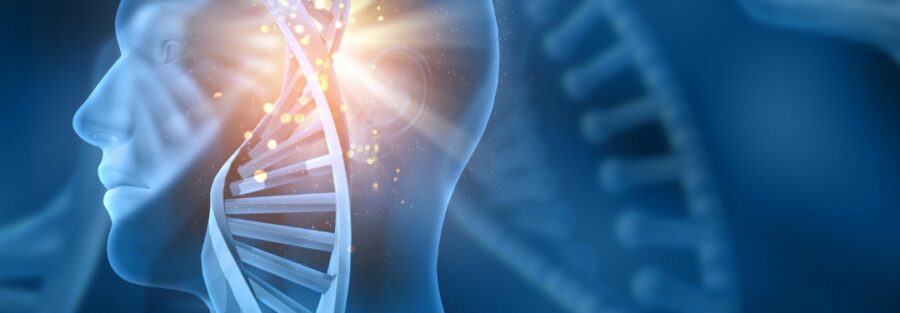
Angelman syndrome is caused by a problem with a specific gene called UBE3A. Usually, a child receives two copies of this gene—one from each parent—but only the mother’s copy is active in the brain. If the mother’s copy is missing or faulty, the gene can’t function, and the symptoms of Angelman syndrome appear.
In most cases, this genetic change happens randomly and is not inherited from the parents. In rare situations, a child may inherit two faulty copies from the father instead. Sometimes, the exact cause is unclear, and further testing may reveal other genetic factors.
While there is no cure, early support and therapies can greatly improve quality of life. With the right care, children with Angelman syndrome can grow up to be happy, loving, and resilient individuals.