

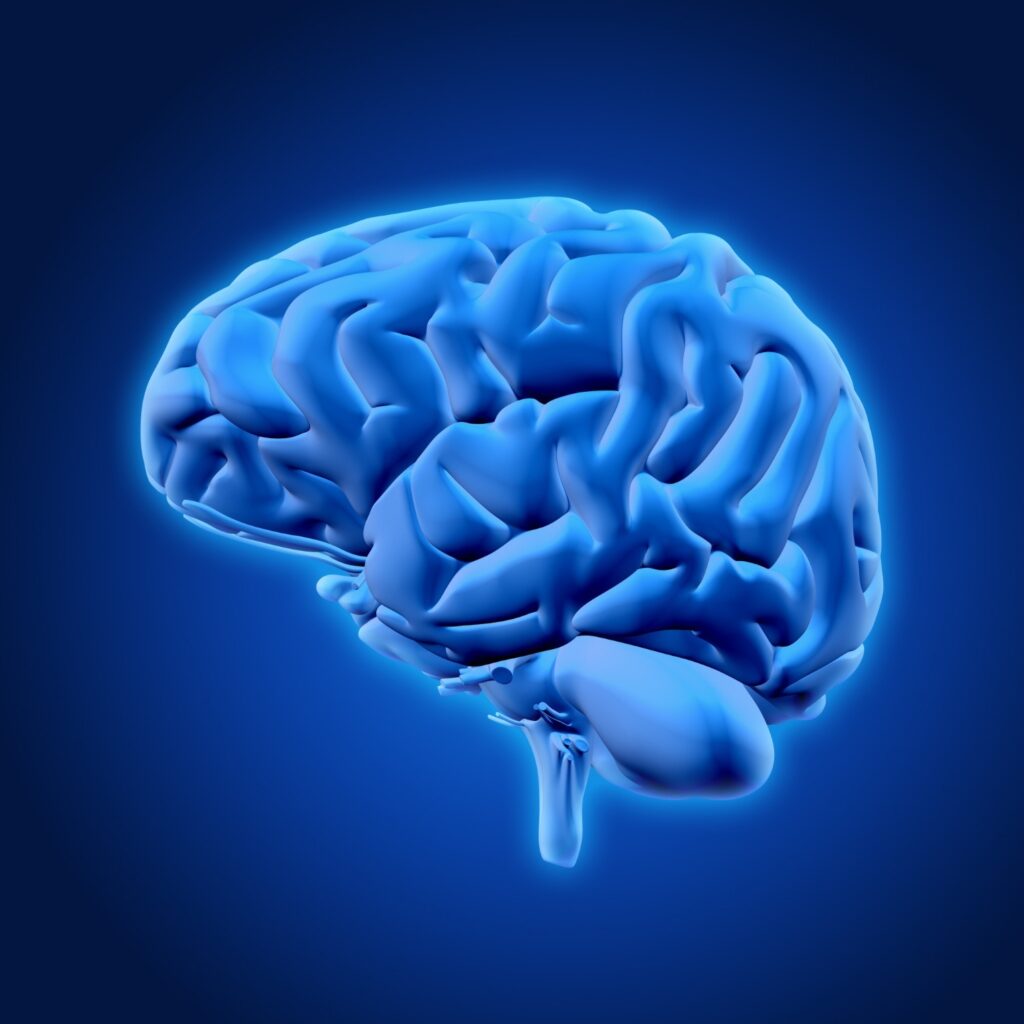
A brain aneurysm is a weak spot in a blood vessel in the brain that bulges outward, forming a swelling. Many people never realize they have one because most brain aneurysms are small and cause no symptoms. They are often discovered by chance during tests done for other health concerns. However, even though they may remain silent for years, the risk they carry makes awareness essential.
The true danger lies in the possibility of rupture. If a brain aneurysm bursts, it can cause bleeding around the brain, a life-threatening emergency. Although rupture is not common, when it does happen it can have devastating consequences. This is why understanding the warning signs and risk factors is so important.
When a brain aneurysm becomes larger, it may begin to press on nearby nerves or brain tissue. At that point, symptoms can appear. A person may experience persistent headaches or pain above or around one eye. Vision changes, such as double vision, may occur. Some individuals develop dizziness, balance problems, or weakness and numbness on one side of the face. Others may notice difficulty concentrating, speaking clearly, or remembering recent events. These symptoms should never be ignored, as they may signal pressure inside the skull that needs urgent attention.
If an aneurysm bursts, the most common sign is a sudden, extremely severe headache. Many describe it as the worst headache they have ever felt, striking instantly and without warning. This type of headache is a medical emergency and requires immediate care.
Doctors do not always know exactly why a brain aneurysm forms, but several factors can increase the likelihood. Smoking and high blood pressure place extra strain on blood vessels, weakening their walls over time. A family history of aneurysms can also raise risk. Injuries to blood vessels in the brain, the use of certain harmful drugs, and some inherited medical conditions that affect connective tissue or the kidneys may contribute as well. Understanding these risks empowers individuals to make informed choices about their health.
For someone who has been diagnosed with a brain aneurysm, lifestyle decisions can make a meaningful difference. Avoiding smoking, limiting alcohol, and staying away from illegal drugs help protect blood vessels from further damage. Keeping blood pressure within a healthy range and maintaining overall physical well-being through balanced nutrition and regular activity can also reduce strain on the body. While these steps cannot guarantee that an aneurysm will not grow or rupture, they can lower the risk and support long-term health.
A brain aneurysm may be silent, but it should never be dismissed. Awareness of symptoms, understanding risk factors, and making responsible lifestyle choices can help reduce danger. Knowledge and early attention offer the strongest protection against a condition that too often remains hidden until it becomes critical.