
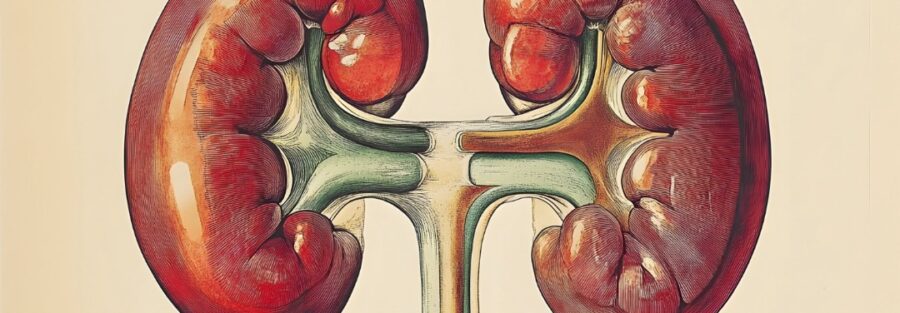
Having just one kidney may sound concerning, but the human body is remarkably resilient. A single kidney can perform the essential work of two, filtering waste and keeping the body in balance. However, because there’s no second kidney to take over in case of trouble, it becomes even more important to protect and maintain the one that remains.
How One Kidney Keeps the Body Running
A person with one kidney can still live a full, healthy life. That one kidney is usually strong enough to handle all the necessary functions on its own. With healthy habits and proper medical guidance, the body continues to function as expected.
Daily Habits That Make a Big Difference
Living well with one kidney involves the same habits recommended for anyone who wants to stay healthy. These include:
- Eating a well-balanced diet rich in fruits and vegetables
- Staying physically active with regular exercise
- Keeping a healthy body weight
- Drinking enough water to stay hydrated
- Managing blood pressure, blood sugar, and cholesterol levels
- Avoiding smoking and seeking help to quit if necessary
- Attending regular medical checkups and kidney function tests
- Knowing your family’s medical history
Potential Long-Term Concerns
Although most people with one kidney don’t experience major issues, over time, the kidney can face some extra strain. In some cases, this may lead to:
- High blood pressure
- Protein leaking into the urine
- Fluid retention
These changes usually develop gradually and may never become severe. However, some individuals may go on to develop chronic kidney disease (CKD). Monitoring blood pressure is crucial, as uncontrolled hypertension can damage the kidneys’ blood vessels and increase the risk of complications.
Avoiding Injury and Harm
With one kidney, extra care is necessary to prevent injuries. Blunt force from accidents or contact sports can damage the kidney. If an injury is serious, and the kidney fails, treatments like dialysis or a transplant may become necessary.
Wearing protective gear during sports can help reduce the risk, but avoiding high-risk activities—or at least approaching them with added caution—is wise. Additionally, it’s important to avoid certain over-the-counter medications like nonsteroidal anti-inflammatory drugs (NSAIDs), which can harm kidney function over time.
Nutrition Tips for One Kidney
Most people with a single healthy kidney don’t need a special diet. However, sticking to a wholesome, nutrient-rich meal plan is beneficial. This means:
- Choosing fresh, unprocessed foods
- Limiting salt and added sugars
- Staying hydrated without overdoing fluid intake
If chronic kidney disease develops, certain nutrients—such as sodium, potassium, phosphorus, and protein—may need to be limited. Dietary needs can also change with conditions like high blood pressure or diabetes.
Working closely with a doctor or dietitian can help tailor a nutrition plan that supports long-term kidney health and overall well-being.
The Bottom Line
Living with one kidney doesn’t have to limit anyone’s life. With the right habits, precautions, and regular care, one strong kidney can go the distance.