

Meningitis in children is a serious condition that causes swelling of the protective layers covering the brain and spinal cord, known as the meninges. This inflammation usually happens when bacteria or viruses invade the fluid surrounding these areas, called the cerebrospinal fluid. In some rare cases, fungi or parasites can also cause meningitis, especially in children with weak immune systems.
Viral meningitis is more common and often less severe, while bacterial meningitis is usually more dangerous and can lead to long-term complications or even death if not treated quickly. Common viruses that can cause meningitis include those responsible for the flu, mumps, and polio. Bacteria such as E. coli, Haemophilus influenzae, and Streptococcus pneumoniae are also known culprits.
The germs that cause meningitis often live in the nose and throat without causing harm. However, they can spread through close contact—like kissing, coughing, or sneezing—or by touching infected surfaces and then touching the mouth, nose, or eyes. What often begins as a cold, ear infection, or sinus infection can travel into the bloodstream and reach the brain, leading to meningitis.
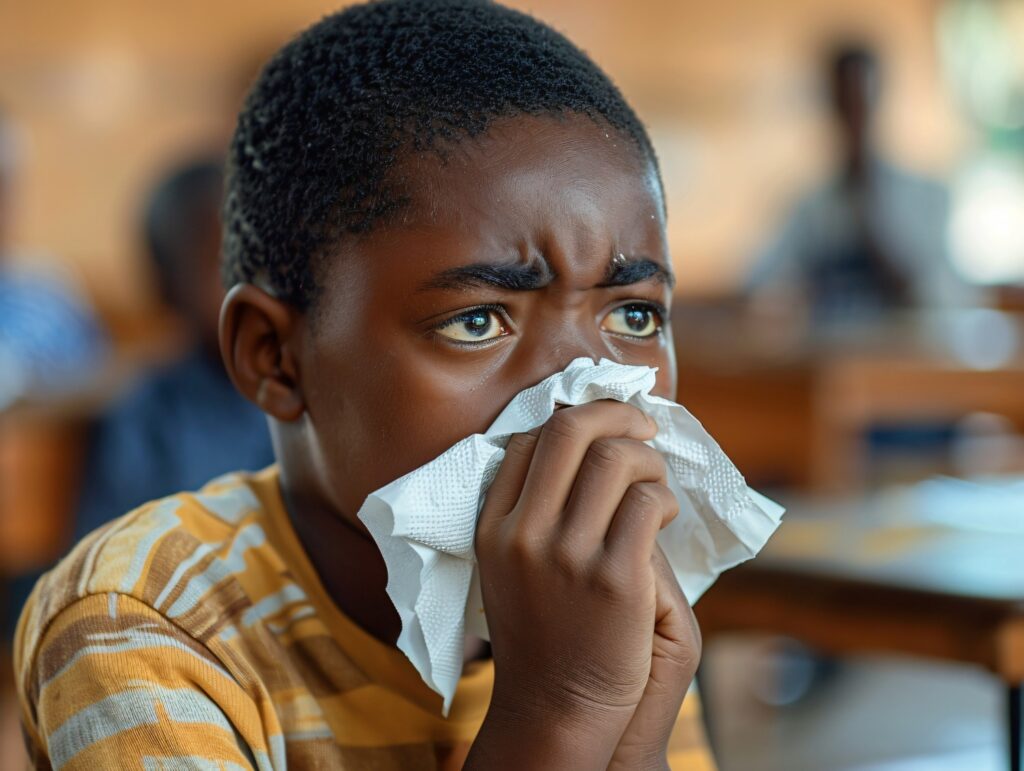
Some children are at higher risk, especially those with weak immune systems or those already suffering from viral or bacterial infections.
The symptoms of meningitis can appear suddenly or develop over a few days, often following a cold or stomach infection. In babies, signs include fever, irritability, poor feeding, excessive sleepiness, or a high-pitched cry. A bulging soft spot on the head and seizures can also occur. Older children may experience headaches, neck pain or stiffness, confusion, sensitivity to light, nausea, vomiting, fever, and a purple or red rash.
Because these symptoms can look like other illnesses, it is crucial that any child showing such signs is taken to a healthcare provider immediately.
Diagnosis usually begins with a detailed examination and questions about the child’s health history. The main test for meningitis is a lumbar puncture (or spinal tap), where a small sample of the cerebrospinal fluid is collected from the lower back and tested for infection. Blood tests, brain scans like CT or MRI, and swabs from the throat or nose may also help identify the cause.
Early diagnosis and treatment are vital. When detected on time, many children recover fully, but delays can lead to serious complications. Raising awareness about meningitis and seeking prompt medical attention when symptoms appear can save lives.