

Fissured Tongue: What It Is and Why It’s Harmless

A fissured tongue is a harmless condition where grooves or furrows appear on the tongue’s surface. Unlike a typical smooth tongue with tiny bumps called papillae, a fissured tongue has noticeable cracks or wrinkles. While an unusual appearance might suggest a problem, this condition is a natural variation and does not require medical treatment. How […]
Read more

Understanding Addison’s Disease: A Rare but Manageable Condition

Addison’s disease, also known as primary adrenal insufficiency, is a rare disorder that affects the adrenal glands—two small organs located on top of the kidneys. These glands produce cortisol and aldosterone, two essential hormones that help regulate metabolism, blood pressure, and the body’s response to stress. In Addison’s disease, the adrenal glands become damaged, leading […]
Read more

Albinism: Understanding Its Impact on Skin, Hair, and Vision

Albinism is a lifelong genetic condition affecting the body’s ability to produce melanin—the pigment responsible for skin color, hair, and eyes. While it does not worsen over time, it influences both physical appearance and vision. Effects on Skin and HairIndividuals with albinism have little to no melanin, which determines their hair and skin color. Some […]
Read more

Alopecia Areata: Understanding Patchy Hair Loss

Alopecia areata is an autoimmune disease that causes unpredictable hair loss, often appearing in small, round patches. While it can affect hair anywhere on the body, it most commonly occurs on the scalp. The term “alopecia” refers to hair loss, while “areata” describes its patchy nature. This condition occurs when the immune system mistakenly attacks […]
Read more

Cavities and Tooth Decay: A Hidden Threat to Oral Health

Cavities are damaged areas on the hard surface of the teeth, leading to tiny openings or holes. These early signs of tooth decay can quickly escalate into painful infections, severe toothaches, and even tooth loss if left untreated. The most common causes include bacteria buildup, frequent snacking, excessive consumption of sugary drinks, and poor oral […]
Read more

The Immune System: The Body’s Defense Mechanism

The immune system is the body’s intricate defense against infection. This highly coordinated network of cells, organs, proteins, and tissues works tirelessly to protect the body from harmful invaders like bacteria, viruses, and parasites. A fully functioning immune system has the remarkable ability to distinguish between healthy cells and harmful substances. When it detects a […]
Read more

Understanding Cervical Cancer: What Everyone Should Know

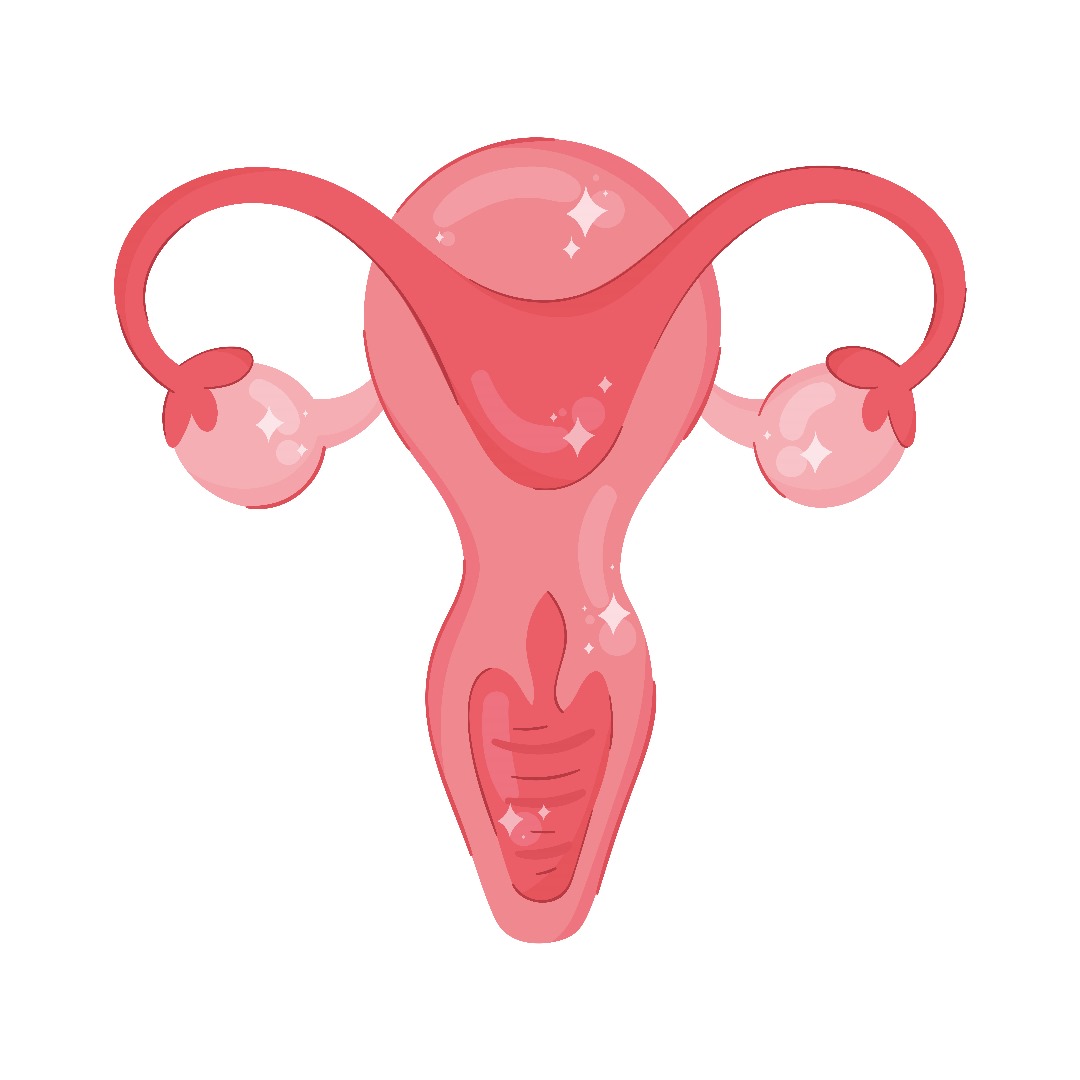
Cervical cancer begins in the cells of the cervix, the narrow lower part of the uterus that connects to the vagina. This type of cancer develops slowly, often starting with abnormal changes in cervical cells, known as dysplasia. If left untreated, these abnormal cells can turn cancerous, growing deeper into the cervix and potentially spreading […]
Read more

Understanding Leprosy: The Facts Everyone Should Know

Leprosy, also called Hansen’s disease, is an infectious disease caused by bacteria known as Mycobacterium leprae. This disease affects the eyes, skin, mucous membranes, and nerves, disfiguring sores and nerve damage. Despite its ancient history and the stigma that once surrounded it, modern treatments have made leprosy manageable. There is no longer reason to isolate […]
Read more

Understanding Hemophilia A: A Call to Awareness

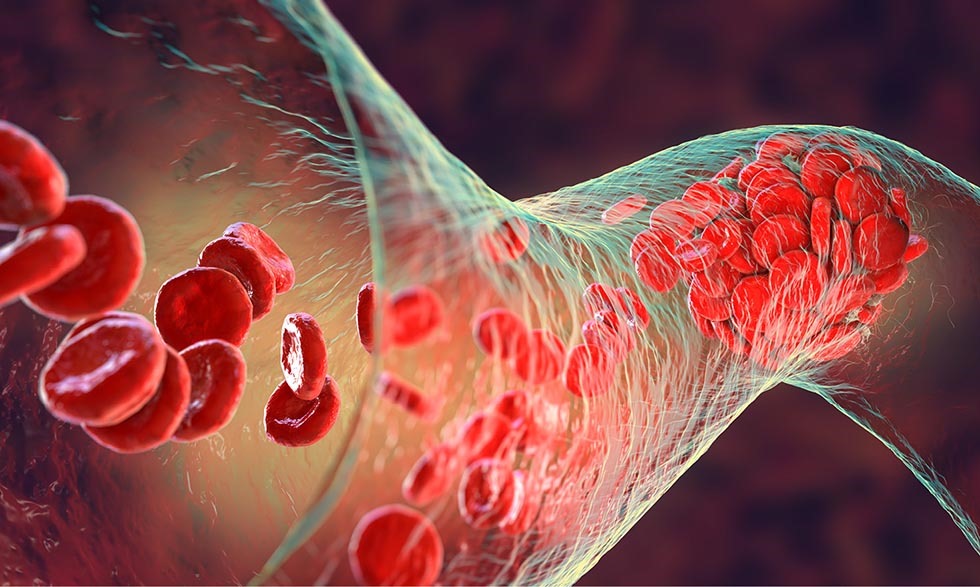
Hemophilia A, often known as factor VIII deficiency or classic hemophilia, is not just a medical term—it’s a reality that impacts thousands of lives worldwide. This genetic condition results from a missing or defective factor VIII, a crucial protein responsible for blood clotting. While it is typically inherited, the startling truth is that nearly one-third […]
Read more

Why Understanding Irritable Bowel Syndrome (IBS) Matters

Irritable bowel syndrome (IBS) isn’t just a minor inconvenience—it’s a condition that demands attention and action. It’s a combination of symptoms that can disrupt daily life, including recurring abdominal pain and unpredictable bowel movements, like diarrhea, constipation, or sometimes both. What makes IBS unique is that it shows no visible damage to the digestive tract, […]
Read more

No products in the cart.