

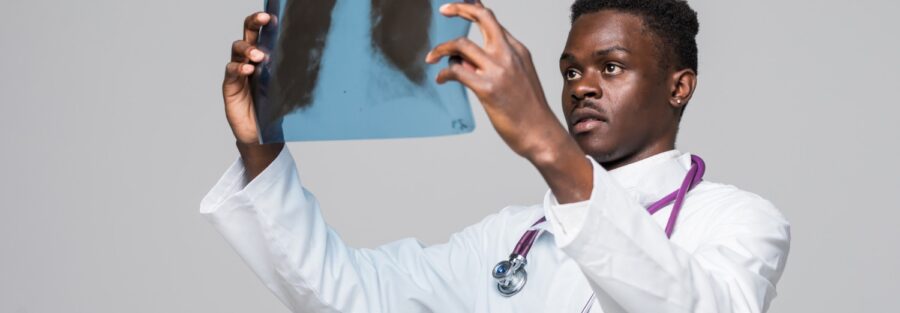
Radiology is the branch of medicine that uses advanced imaging technology to detect, diagnose, and treat diseases. It plays a vital role in helping doctors see what is happening inside the body without the need for surgery. Because no single scan can reveal every type of illness, radiology relies on multiple imaging methods such as X-rays, CT scans, MRI, and ultrasound to provide a complete picture of a patient’s health.
At the heart of this field are two key professionals: the radiographer and the radiologist. A radiographer is the expert responsible for carrying out the scans. With extensive technical training, the radiographer operates complex imaging machines and ensures that each image captured is of the highest quality. Beyond their technical skill, a radiographer also makes sure that the patient feels comfortable and safe throughout the process, especially since medical imaging can sometimes be intimidating.
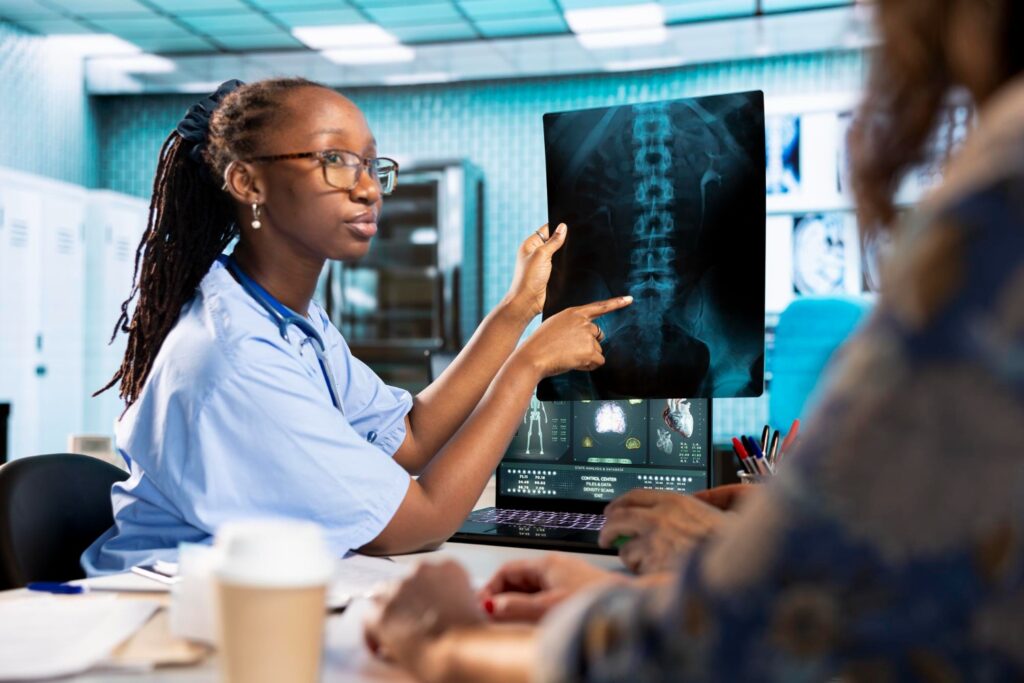
The radiologist, on the other hand, is a doctor who interprets these images to identify diseases, abnormalities, or injuries. This specialist carefully studies the scans, discusses the findings, and provides accurate diagnoses that guide further treatment. When something unusual is detected, the radiologist works closely with other healthcare professionals and advises on the next steps — whether it’s further tests, monitoring, or specific treatment plans.
Radiology is divided into three main areas, each serving a unique purpose in healthcare. The first is diagnostic radiology, which helps detect diseases and monitor how well the body responds to treatment. It allows doctors to investigate symptoms and identify conditions such as heart disease, infections, and cancer. The second is interventional radiology, which uses imaging technology to guide minimally invasive surgical procedures. This approach often leads to quicker recovery, less discomfort, and lower medical costs. The third is therapeutic radiology, also known as radiation therapy, which targets and treats diseases like cancer using controlled doses of radiation.
Radiology continues to revolutionise healthcare by combining technology, precision, and compassion. Through the dedicated work of radiographers and radiologists, millions of patients receive faster, safer, and more accurate diagnoses — helping them move one step closer to recovery and better health.