

An accidental overdose happens when a person takes more medicine than their body can safely handle. While medicines are designed to help with health problems, taking too much—whether by mistake or misunderstanding—can turn something meant to heal into something harmful, and in some cases, life-threatening. The truth is, most overdoses are preventable with the right care and attention.
Every medicine, even the ones commonly used, carries some risk if not taken properly. When used correctly and in the right amount, medicines can be safe and effective. But if instructions are ignored, doses are mixed up, or medicines are combined with alcohol or other drugs, the risk of accidental overdose increases sharply. Sometimes, the danger is as simple as taking two different brands of medicine without realising they contain the same active ingredient. For example, two pain relievers may look different but both could contain paracetamol, doubling the dose without the person even knowing.
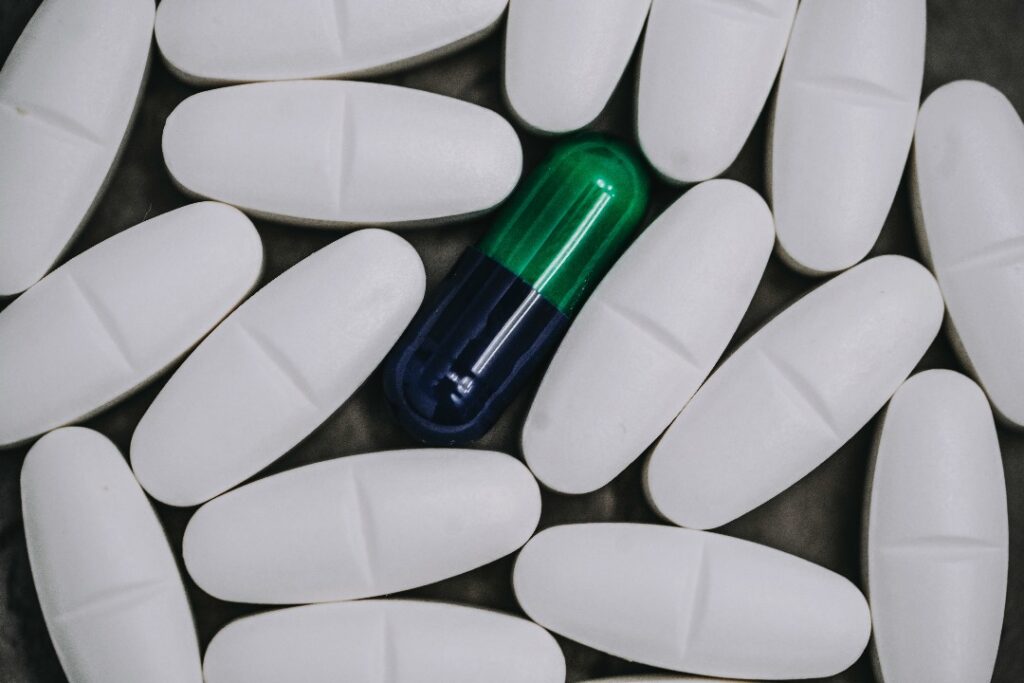
Overdose can also happen if the medicine is stronger than expected. The same brand of medicine can come in different strengths, so a tablet from one packet might contain more of the drug than a tablet from another. Without checking the label carefully, it’s easy to take more than intended. Even something as small as using the wrong measuring device for liquid medicine can result in a dose that is far too high.
Children are especially vulnerable. If a parent miscalculates a child’s dosage based on their weight, or if medicines are left within reach, a child may accidentally consume too much. This can quickly become dangerous, as children’s bodies are more sensitive to medication.
The symptoms of an overdose depend on the medicine taken, but there are warning signs that should never be ignored. A person who has overdosed may seem confused, develop blue lips or fingertips, or have skin that feels cold and clammy. Their pupils might shrink to tiny pinpoints, or they might have seizures, lose consciousness, snore or gurgle while unresponsive, or struggle to breathe. In children, signs may include vomiting, unusual tiredness, or in some cases, allergic reactions.
The best protection against accidental overdose is prevention. This means taking medicine exactly as prescribed, reading the label carefully every time, and never assuming that two medicines with different names are completely different. It also means keeping track of what has been taken and when, measuring doses accurately, and always storing medicines out of the reach of children. Importantly, no one should take medicine that was prescribed for someone else, as even small differences in dosage or strength can be dangerous.
An overdose is not only frightening but often avoidable. With the right awareness and careful handling of medicines, a person can greatly reduce their risk and use medication safely, as it was intended—to heal, not to harm.