


Appendicitis is a condition where the appendix—a small, finger-like pouch attached to the large intestine—becomes inflamed. Though small, this organ can cause serious trouble when infected or blocked, usually by waste moving through the intestines. As inflammation builds, the appendix swells and, if left untreated, can eventually burst.
When the appendix bursts, the bacteria inside it spill into the abdominal cavity. This can cause a dangerous infection called peritonitis, which may spread to the bloodstream and become life-threatening. To prevent this, doctors typically remove the appendix through a procedure known as an appendectomy. The good news is, the appendix isn’t essential for survival—once removed, life can continue as normal without it.
Appendicitis is almost always acute, meaning it comes on suddenly and worsens quickly. This version is common and well-studied. In rare cases, someone may develop chronic appendicitis, where the irritation lingers over a long period, flaring up from time to time. Unlike the sharp and escalating pain of acute appendicitis, chronic appendicitis may cause milder, ongoing discomfort. However, it still poses a risk, as it can turn severe without warning. Because of this, chronic appendicitis is treated with the same urgency.
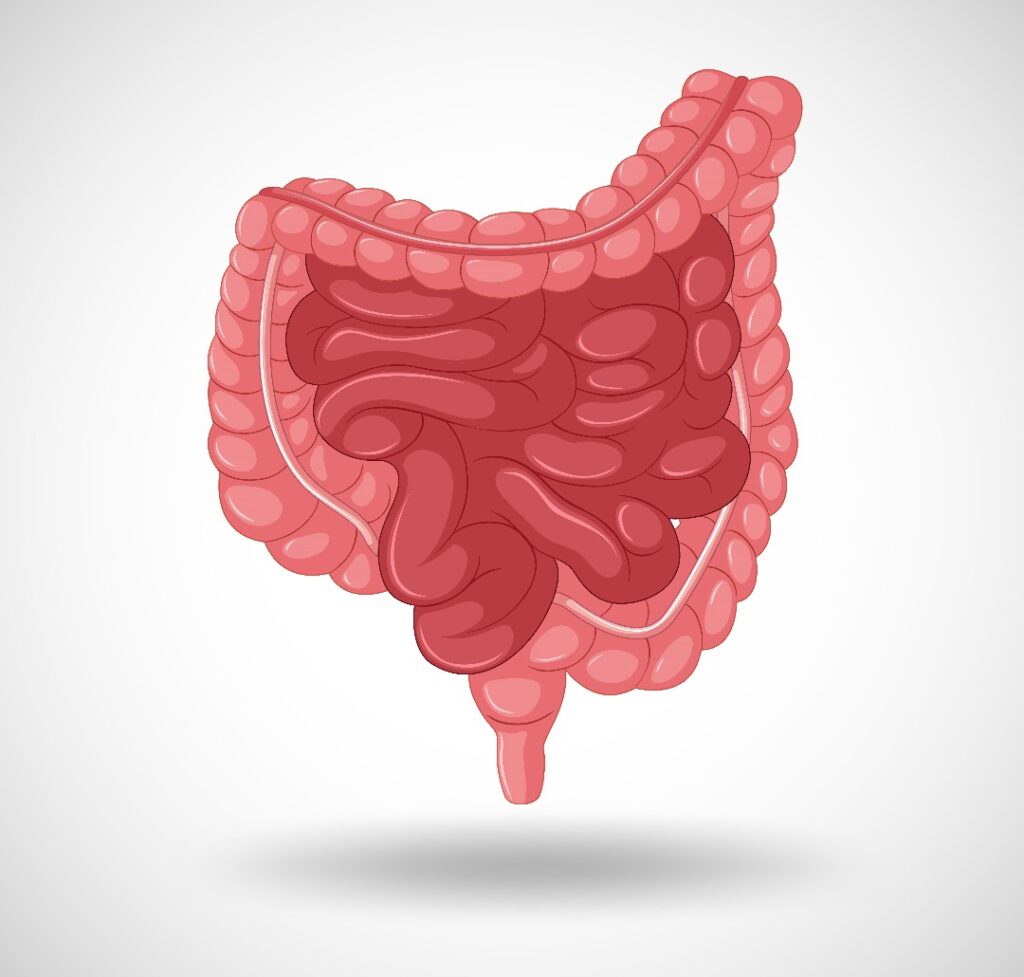
Though it can affect anyone, appendicitis is most common in people between the ages of 10 and 30. It is one of the top causes of sudden abdominal pain requiring emergency surgery. Children—especially teenagers—are frequently affected, but younger kids and older adults can also experience it.
The classic signs of appendicitis often include pain in the lower right abdomen, nausea, and a loss of appetite. In many cases, the pain starts around the belly button and then shifts. However, not everyone will experience these symptoms in the same way. Only about half of those with appendicitis show the typical signs. Children, older adults, and pregnant individuals, in particular, may have more subtle or unusual symptoms.
For anyone experiencing persistent or worsening abdominal pain—especially if it’s joined by nausea or other digestive issues—it’s important not to ignore it. Seeking prompt medical attention can make all the difference. Appendicitis can escalate quickly, but with early treatment, recovery is usually smooth and complete.