
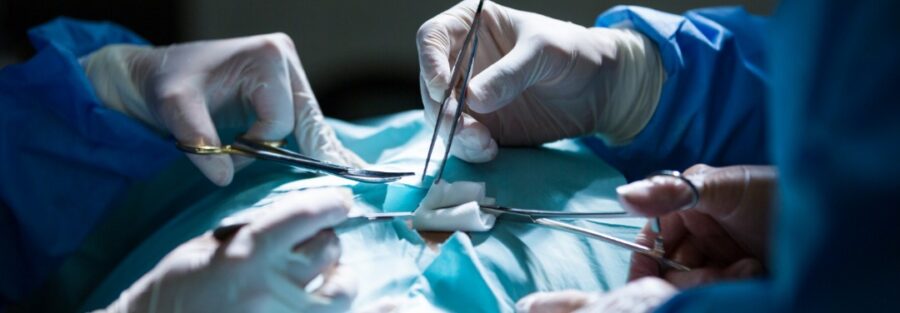
A cesarean section, commonly called a C-section, is a surgical method of delivering a baby through incisions made in the mother’s abdomen and uterus. It is used when a vaginal delivery is not safe or possible due to health risks to the mother, the baby, or both.
Why Is a C-Section Sometimes Needed?
A C-section may be planned or done as an emergency during labor. It’s recommended when:
- The baby is too large or the pelvis too small for a safe vaginal delivery.
- The mother has had a previous C-section, and a vaginal birth is not advised.
- There are two or more babies, especially if they are not positioned head-first.
- The placenta is blocking the birth canal.
- The baby is lying sideways or bottom-first.
- The mother has health issues that could worsen with labor (e.g. heart conditions or active infections).
- There are physical obstructions like fibroids or certain bone problems.
An emergency C-section may be necessary when:
- Labor stops progressing, or the cervix doesn’t open enough.
- The baby’s umbilical cord is compressed or comes out before the baby.
- The placenta separates too early.
- The baby shows signs of distress, such as an abnormal heart rate.
What Does a C-Section Feel Like?
The mother will be given anesthesia so that she won’t feel pain during the surgery. However, she might feel pressure, tugging, or pulling as the baby is delivered.
Is a C-Section Safe?
While a vaginal birth is often preferred, a C-section can be the safest option when complications arise. In cases of breech position or placenta issues, it can save lives. Like all surgeries, it carries some risks, but with proper care and monitoring, most mothers and babies recover well.
How Long Does It Take?
A typical C-section takes around 45 minutes from start to finish. In emergencies, delivery can happen in as little as 15 minutes. After the baby is born, the doctor stitches the uterus and closes the abdomen.
What Happens After the Surgery?
Once the baby and placenta are delivered, the doctor will close the incisions with stitches or staples. The mother will feel sore for several days and may need help with basic activities. Most stay in the hospital for 2 to 3 days before going home. Recovery continues over several weeks, with rest, light activity, and support from family or caregivers.
The Bottom Line
A C-section is not a failure—it’s a smart, medical decision made to protect health and save lives. Whether planned or unexpected, this procedure is an essential part of modern childbirth care. Everyone—whether they are expectant parents, partners, or family members—should understand that the goal is always a safe delivery, and a C-section is sometimes the best way to achieve it.