
When someone donates blood, the body immediately begins an incredible process to restore what was given. An adult typically has about 10 pints of blood, and donating one pint is something the body is well equipped to handle.
After donation, the body starts replacing lost blood in two main ways—by rebuilding red blood cells and restoring fluids. Red blood cells are the part of blood responsible for carrying oxygen. When their levels drop, special cells in the kidneys detect this change and release a hormone called erythropoietin. This hormone travels through the bloodstream to the bone marrow, where blood cells are made.
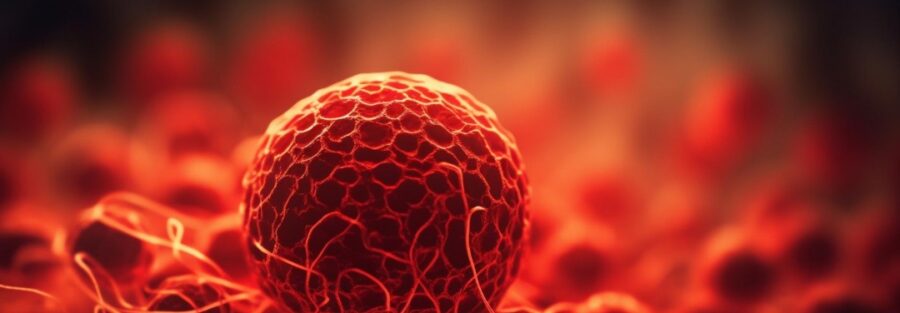
The bone marrow contains stem cells that act like raw materials. These cells can become red cells, white cells, or platelets. Erythropoietin signals these stem cells to make more red blood cells to replace what was lost. The body works quickly—creating about two million new red blood cells every second. Within a few weeks, red blood cell levels are back to normal.
Other parts of the blood, like white cells and platelets, are also replaced with the help of different messenger proteins. These cells usually return to healthy levels within a few days.
While red blood cells are being rebuilt, the body also works to restore fluids. More than half of blood is made up of plasma, which is mostly water. That’s why drinking water before and after giving blood is so important. Rehydration helps bring blood volume back to normal, and the kidneys assist by managing how much water and salt is kept or released in the body.
Another key factor in blood regeneration is iron. Red blood cells contain a protein called haemoglobin, which carries oxygen and relies on iron to function. Each donation uses up some of the body’s stored iron. To recover, the body pulls iron from storage and boosts absorption from food. This is why haemoglobin levels are checked before every donation—to make sure it’s safe to give blood and to prevent iron deficiency.
Most people find their haemoglobin returns to normal within 6 to 12 weeks after donating. Because of this, there’s a recommended waiting time between donations to allow full recovery. This helps protect the donor’s long-term health while making sure their body has had enough time to replenish blood cells and iron.
In short, after donating blood, the body acts fast and efficiently. It builds new cells, restores fluids, and absorbs more nutrients—all to make sure everything is back in balance. It’s a natural, powerful process that proves just how resilient the human body really is.