

Smoking is one of the most damaging habits a person can have, affecting nearly every organ in the body. While it may seem like a personal choice, its impact goes far beyond the moment—it slowly weakens the body and shortens life over time.
When a person smokes, harmful substances such as carbon monoxide and tar enter the body. Carbon monoxide reduces the amount of oxygen the blood can carry, forcing vital organs to struggle to function properly. Tar, on the other hand, coats the lungs and makes breathing more difficult. Together, these chemicals create a powerful and harmful effect that builds up with every cigarette.
The brain, heart, and blood vessels are especially vulnerable. Smoking increases the chances of stroke and can damage blood vessels, making them narrower and less flexible. This raises blood pressure and puts extra strain on the heart. Over time, this can lead to serious heart problems and poor circulation.
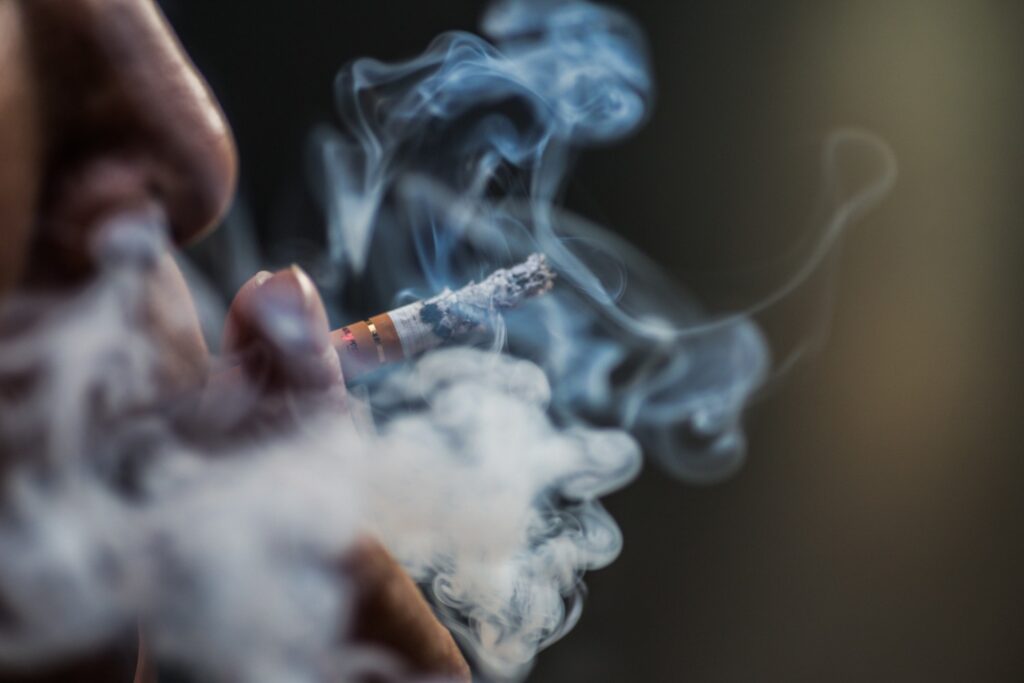
The lungs often suffer the most visible damage. Smoking harms the airways and the tiny air sacs that help the body take in oxygen. This damage can lead to long-term breathing problems and diseases that make even simple activities feel exhausting.
Beyond the lungs and heart, smoking also weakens the immune system, making it harder for the body to fight infections. It can reduce bone strength, affect fertility, and speed up the aging of the skin. The risk of developing many types of cancer also rises significantly because tobacco contains chemicals known to damage healthy cells.
What makes smoking particularly dangerous is that its effects often develop quietly. A person may feel fine for years while damage builds beneath the surface.
However, there is a powerful truth worth remembering: the body has an incredible ability to recover. The sooner a person stops smoking, the more the body can begin to heal, leading to a healthier and longer life.