


In vitro fertilisation (IVF) is a widely used fertility treatment that has helped many people achieve pregnancy. However, not every IVF cycle results in a successful pregnancy. IVF failure can happen for several reasons, and in some cases, the exact cause may not be immediately clear.
One of the most common reasons for IVF failure is embryo implantation failure. After an embryo is created and transferred to the uterus, it must successfully attach to the uterine lining. Problems involving the uterus, embryo, hormones, or other health conditions may sometimes affect this process.
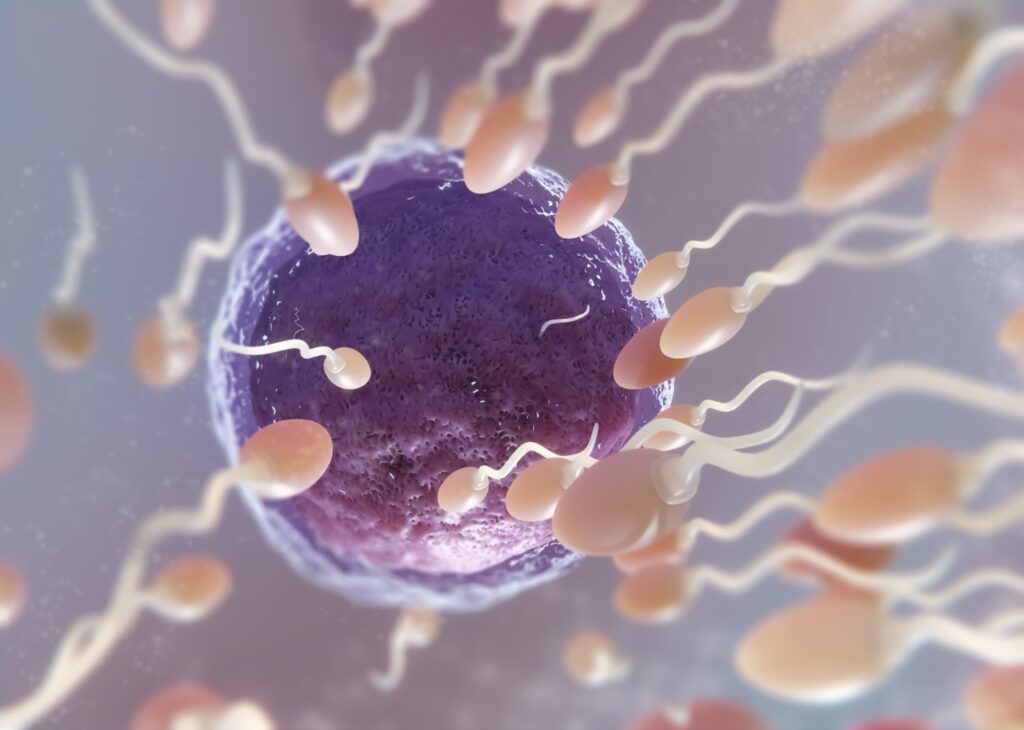
Embryo quality is another important factor. The quality of an embryo depends largely on the egg and sperm involved in fertilisation. As a result, factors that affect egg and sperm health may also influence the embryo’s ability to develop and implant successfully.
The body’s response to fertility medication can also affect an IVF cycle. Some people may produce fewer eggs than expected during ovarian stimulation, which can reduce the number of embryos available for transfer.
Age is another factor that can influence IVF outcomes, particularly because egg quality generally changes over time. Chromosomal abnormalities in embryos may also affect their development, implantation, or ability to result in a healthy pregnancy.
Lifestyle factors, including smoking, alcohol consumption, poor sleep, an unbalanced diet, and significant weight-related concerns, may also influence fertility and IVF outcomes. Making positive lifestyle changes can support overall reproductive health.
Although IVF failure can be emotionally difficult, understanding the possible causes can help fertility specialists evaluate what may have happened and determine the most appropriate next steps for future treatment.