

The fight against malaria has reached a turning point. For the first time in history, science, innovation, and global awareness have come together in a way that makes ending malaria not just a dream, but a real possibility. The tools are stronger, the knowledge is deeper, and the progress made so far proves that success is within reach. But this moment is fragile, and it demands urgent action.
Malaria is a disease that does not wait. When attention fades or support weakens, it quickly returns, undoing years of hard-earned progress. This reality makes the push to eliminate malaria more than just a health goal—it becomes a race against time. Every delay risks lives, while every step forward brings the world closer to a future where malaria no longer threatens families and communities.
Recent advancements have changed what is possible. New vaccines, improved treatments, and more effective prevention methods are helping to reduce infections and save lives. These breakthroughs show that the world now has the power to control and eventually eliminate the disease. However, having the tools is not enough; they must be used consistently and made accessible to those who need them most.
Progress in the fight against malaria has already delivered encouraging results. In many places, cases and deaths have dropped significantly, proving that focused efforts can make a real difference. Strong health systems, better diagnosis, and timely treatment have all played a role in reducing the burden of the disease. These successes are not accidents—they are the result of commitment, coordination, and sustained effort.
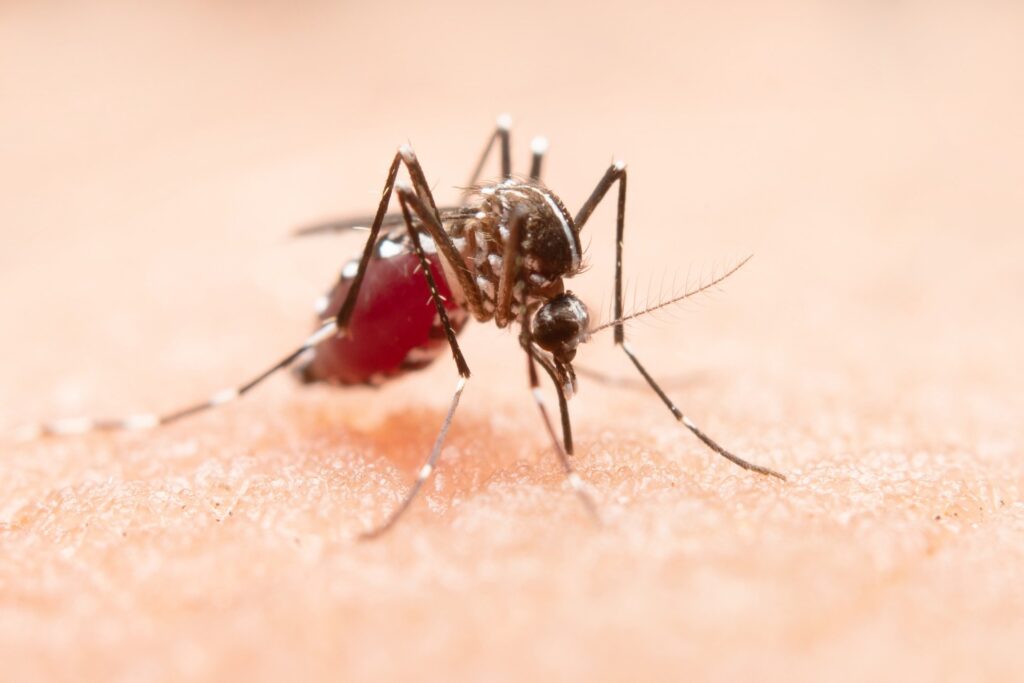
Yet, challenges still stand in the way. The malaria parasite is evolving, sometimes becoming resistant to existing medicines. Mosquitoes, which spread the disease, are also adapting to current prevention methods. At the same time, environmental changes are creating conditions that allow malaria to spread more easily. These obstacles highlight an important truth: progress can never be taken for granted.