
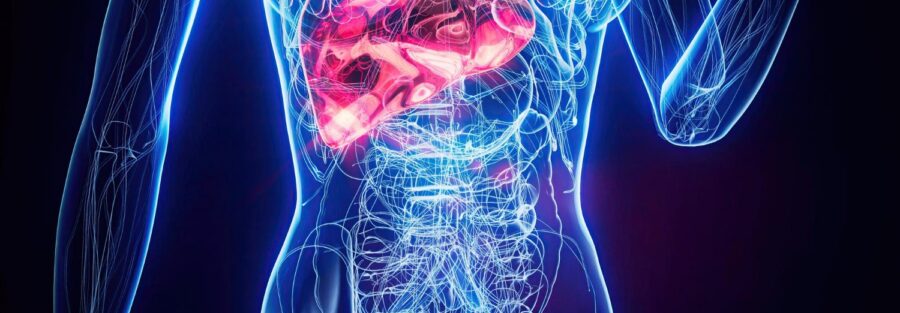
The liver is one of the body’s most powerful and hardworking organs, quietly performing hundreds of essential tasks every single day. It filters harmful substances from the blood, helps digest food, stores energy, and supports overall health. However, this constant workload also makes the liver vulnerable. When it becomes overwhelmed by toxins, infections, or long-term strain, it can begin to fail. This is what is known as liver disease.
Liver disease is not just one condition but a group of disorders that slowly damage the liver over time. While the liver has a remarkable ability to repair itself, continuous damage can eventually outpace its ability to heal. When that happens, the effects can become serious and life-threatening.
The progression of liver disease usually happens in stages. It often begins with inflammation, where the liver reacts to injury or harmful substances. At this stage, the body is trying to heal itself. If the damage continues, scar tissue begins to form in a process known as fibrosis. As more scar tissue builds up, it starts to block blood flow and reduce the liver’s ability to function properly. This can lead to cirrhosis, a stage where the scarring becomes severe and permanent. Eventually, if the damage continues, the liver may no longer be able to perform its essential functions, leading to liver failure.
One of the most challenging aspects of liver disease is that it often develops silently. In its early stages, a person may not notice any clear symptoms. When signs do appear, they can be vague and easy to ignore, such as feeling tired, losing appetite, or experiencing mild discomfort in the upper abdomen. Because these symptoms are not specific, many people overlook them until the condition has progressed further.
As liver function declines, more noticeable signs may appear. The body may begin to show visible changes, such as yellowing of the eyes or skin, dark urine, or pale stool. Digestion can become difficult, especially when processing fats, and unexplained weight loss may occur. Some individuals may notice swelling in the abdomen or limbs due to fluid buildup, while others may experience itchy skin or unusual bleeding and bruising.
In advanced stages, the effects of liver disease can spread throughout the entire body. The liver plays a central role in regulating blood flow, hormones, and nutrients, so when it begins to fail, multiple systems are affected. This can lead to serious complications, including internal bleeding, kidney problems, and even certain types of cancer linked to long-term liver damage.
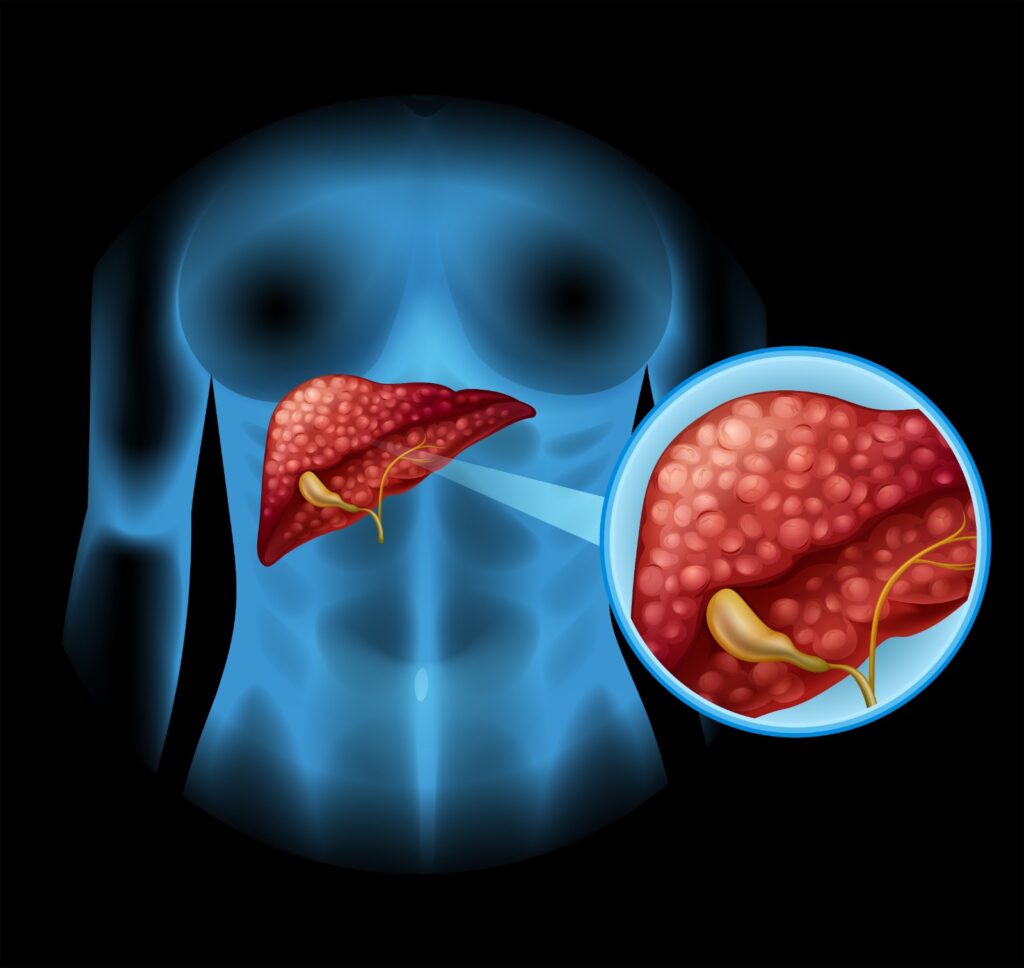
There are many possible causes of liver disease, but most fall into a few broad categories. Viral infections can attack the liver and cause long-term inflammation. Excessive exposure to harmful substances, including alcohol or certain chemicals, can gradually damage liver cells. Metabolic conditions related to weight, blood sugar, and fat levels can lead to fat buildup in the liver, triggering inflammation. In some cases, the body’s immune system mistakenly attacks the liver, causing ongoing damage. There are also inherited conditions that can interfere with how the liver processes substances, leading to toxic buildup over time.
Certain lifestyle and health factors can increase the likelihood of developing liver disease. Regular exposure to harmful substances, long-term health conditions, and repeated strain on the liver can all contribute to its decline. Because of this, awareness plays a crucial role. Understanding how the liver works and recognizing early warning signs can make a significant difference.
The key message is simple but powerful: liver disease does not happen overnight, and in many cases, it develops quietly over time. This makes early recognition incredibly important. When identified early, the liver still has a chance to recover or slow down the damage. But when ignored, the condition can progress to a point where recovery becomes much more difficult.
Ultimately, the liver is essential for life. It works tirelessly behind the scenes, and when it begins to fail, the entire body feels the impact. By understanding liver disease and taking it seriously, a person places themselves in a stronger position to protect their health and avoid long-term complications.