


Acute cholecystitis is a sudden and intense inflammation of the gallbladder, most often caused by gallstones blocking the normal flow of bile. The gallbladder, a small organ located beneath the liver, plays an important role in digestion by storing bile, a fluid that helps break down fats. When this flow is disrupted, pressure builds up inside the gallbladder, leading to inflammation, severe pain, and sometimes infection.
This condition is not only painful but can quickly become serious if ignored. It typically begins with a sharp, persistent pain in the upper abdomen, often spreading to the back or shoulder. Unlike common stomach aches, this pain does not fade after a short time. It may come with nausea, vomiting, fever, bloating, or even a yellowing of the skin and eyes. These symptoms signal that something deeper is wrong and should not be dismissed.
Acute cholecystitis develops in two main ways. The more common form occurs when gallstones block the gallbladder’s main outlet, trapping bile and causing irritation. The less common but more severe form happens without gallstones and is often linked to serious illness, injury, or long-term physical stress on the body. Both forms can interfere with the body’s normal digestive process and lead to further complications.
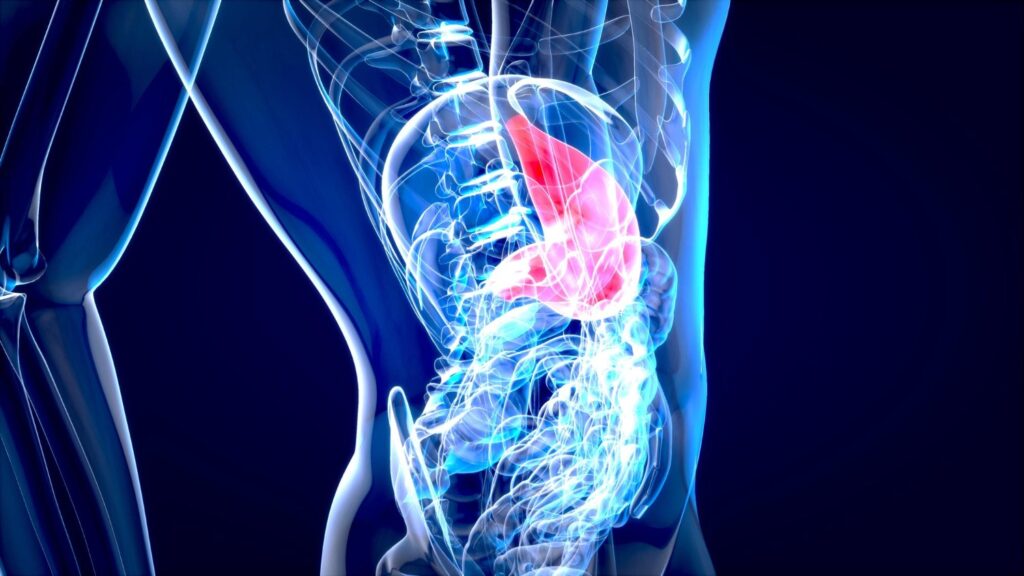
Certain factors can increase the likelihood of developing this condition. A person with a history of gallstones, a diet high in fat, excess body weight, or underlying health conditions may be more vulnerable. Hormonal changes and rapid weight loss can also play a role in triggering the problem.
If left untreated, acute cholecystitis can lead to dangerous complications. The gallbladder tissue may begin to die, infections can spread, or the organ itself may rupture. In some cases, nearby organs, such as the pancreas or bile ducts, can also be affected, making the situation even more critical.
Despite its seriousness, this condition is manageable, especially when identified early. Many people go on to live normal, healthy lives even after the gallbladder is removed, as the body adapts and continues to digest food effectively.
Acute cholecystitis serves as a powerful reminder that persistent abdominal pain should never be ignored. Recognizing the warning signs and understanding the risks can make all the difference in preventing severe outcomes and protecting long-term health.